
Our key relationships
Highlights in FY2022
- Signed up for the United Nations Global Compact (UNGC) Early Adopter Programme.
- Worked with a consortium of banks to develop the Sustainable Financing Framework, our first financing facility with sustainability linked KPIs.
- Became a member of the WBCSD.
- Higher levels of involvement in thought initiatives such as the World Resources Institute’s GHG Protocol Carbon Removals and Land Sector Initiative Project, which benefit the forestry industry as a whole.
- Opening of the Saiccor Mill capacity expansion and environmental upgrade project by South African President Cyril Ramaphosa, marking the fulfilment of Sappi’s commitment made at the first South Africa Investment Conference in 2018.
Together with our stakeholders, we’re thinking and acting more boldly than ever before to come up with real-world solutions to a broad range of challenges.
We establish and maintain proactive dialogue with all our stakeholders. In doing so we recognise that stakeholder needs are dynamic and that we need to challenge the status quo and be responsive to an evolving stakeholder landscape. In addition to responsiveness, our approach to engagement is based on the principles of inclusivity, materiality, relevance and completeness.
In determining those issues most material to our stakeholders, we assess not just enterprise value, but also the impact of our activities on people and the planet. See Our key material issues for further details.
We assess the quality of our relationships both informally, as set out below and formally – through regular employee and customer surveys, community forums and Greenlight Movement community surveys in South Africa.
Our stakeholder work is aligned to the governance framework of King IV, namely performance and value creation, adequate and effective controls and trust, as well as reputation, legitimacy and ethics.
One of the strategic fundamentals of our Thrive25 strategy is to enhance trust. Achieving this is not possible without an ethical culture underpinning our everyday activities, which is why we train our employees, customers and suppliers on our Code of Ethics and promote awareness of the Sappi hotlines in each region which allow all stakeholders to report breaches of the Code in full confidentiality without fear of reprisal.
We regularly review our activities with regard to the Organisation for Economic Co-operation and Development (OECD) Anti-Bribery Convention and the Convention's 2009 Anti-Bribery Recommendation, particularly Section VII of the OECD Guidelines for Multinational Enterprises dealing with Combating Bribery, Bribe Solicitation and Extortion. No issues have been raised regarding Sappi with regards to compliance with the Convention and Guidelines either externally or internally.
Our stakeholder engagement is also guided by our membership of and commitment to the United Nations Global Compact (UNGC) as well as our work on the UN SDGs, in particular, the SDGs which we have prioritised.
See Maintaining ethical behaviour and compliance.
 |
Principle 10: Businesses should work against corruption in all its forms, including extortion and bribery. |
- Employees
- Unions
- Customers and partners
- Communities and neighbours
- Industry bodies, related memberships and organised business
- Shareholders, bondholders and banks
- Government and regulatory bodies
- Suppliers and contractors
- Civil society and media
Click below for more detail
Employees

Self-assessment of quality of relationship:
Good
Employees
Why we engage
As we take Sappi into the future, based on the clear roadmap entrenched in our Thrive25 strategy, our task is to help our people understand the plan and clear their path to success. Our aim is to unlock the wide-ranging, significant expertise of our people today and tomorrow. In doing so, we secure our exciting future in woodfibre as a business that provides relevant solutions, delivers enhanced value and is a trusted partner to all our stakeholders.
| Shared priorities | Our response | |||||||
| Constructive action with regard to Covid-19 | We implemented a staggered return to our sites as restrictions eased. Covid-19 information hubs continued to support our staff, customers and their families, focusing specifically on infection prevention and vaccination-related topics. | |||||||
| Involvement in safety |
|
|||||||
| Focused wellness and wellbeing |
|
|||||||
| Effective recognition programmes | Our recognition programmes include: Sappi Limited
SEU
SNA
SSA
Sappi Trading
|
|||||||
| Connection with Sappi's strategic goals and high levels of engagement |
|
|||||||
| Understanding Sappi's commitment to sustainability which underpins our strategy | Globally, targeted internal publications and social media campaigns linked to days like Global Ethics Day, World Environment Day1 and the International Day of Biodiversity2 enhance understanding of the sustainability landscape and our role in promoting responsible biodiversity initiatives. SEU’s Blue Couch series features a series of interviews with speakers from the paper industry who provide insights about new products, innovations and sustainability. SNA runs an active sustainability ambassador programme which promotes understanding and awareness of sustainability-related issues. All regions undertake internal sustainability communication campaigns linked to our priority SDGs.
|
|||||||
| Training and development that benefits Sappi and our employees | Globally, on average, each employee benefited from 46.89 hours of training (FY2021: 48.3 hours).
SEU
SNA
SSA
In light of an ageing workforce within our industry, particularly in North America, our employees in each region have been visiting schools and becoming involved in initiatives that promote career paths within forestry and the pulp and paper industry. |
|||||||
| Encourage employee volunteerism through initiatives |
In FY2022, in addition to a corporate donation of US$100,000 to support humanitarian relief in Ukraine including through UN Crisis Relief, Sappi matched employee donations to the value of US$25,000 made to organisations including the International Committee of the Red Cross, Save The Children and Doctors without Borders. SEU
SNA
SSA
|
Opportunities for value creation
- Alignment with our strategic direction enables our people to contribute more positively to the business as well as their personal and career development
- By building our human capital base, we establish a base of technical skills needed both by Sappi and by the industry
- A diverse workforce enhances our ability to service global markets and promotes a culture of inclusivity
- An increased commitment to safety delivers benefits at personal, team and operational levels
- By living up to our purpose, we become a more attractive employer, particularly to Millennials and Gen Zers
- By establishing an ethical culture where corporate citizenship is promoted, we ensure the ongoing viability of our business, enhance reputation and become an employer of choice.
Challenges for value creation
- Recruitment and retention of key skills
- Loss of institutional memory as older employees retire
Unions

Self-assessment of quality of relationship:
Fair
Unions
Why we engage
In 2022, globally, 55% of our workforce was unionised, with 71% belonging to a bargaining unit. A workplace where people feel they have been heard and in which they can make a meaningful contribution promotes productivity and stability. Accordingly, it makes sound business sense to maintain constructive relationships with our employees and their representatives. We do so in a spirit of mutual respect and understanding.
| Shared priorities | Our response | ||||||
| Freedom of association, collective bargaining and disciplined behaviour | Sappi endorses the principles of fair labour practice as entrenched in the UNGC and Universal Declaration of Human Rights. At a minimum, we conform to and often exceed labour legislation requirements in the countries in which we operate. Protecting the right to freedom of association and collective bargaining is fundamental to the way we do business. We engage extensively with representative trade unions. Discussions range from remuneration issues, to training and development, health and safety and organisational changes. Given the complex labour situation in South Africa, we established several structures to enhance ongoing positive engagement with union leadership. This is facilitated by structures such as the National Partnership Forum which includes senior members of management and senior union leaders who hold regular meetings where business, safety and union challenges are discussed. Disciplined behaviour is essential for individual wellbeing, and to achieve our group goals and objectives. In each region, disciplinary codes ensure appropriate procedures are applied consistently, while grievance policies entrench the rights of employees, including the right to raise a grievance without fear of victimisation, right to seek guidance and assistance from a member of the HR department or their representative at any time and the right to appeal to a higher authority, without prejudice. See Supporting sound labour relations
|
||||||
| Resolving grievances, engaging on strategy |
|
||||||
| Safety and wellness initiatives | The Health and Safety Committees at all our operations provide a forum for consultation about the development/review of policies and procedures and changes that affect workplace safety or health. Wellness programmes include fitness and medical screening programmes, as well as psychological and financial support. |
||||||
| Remuneration, working hours and other conditions of service | Our labour standards ensure that our remuneration practices are fair, with compensation levels set to reflect competitive market practices and internal equity, as well as company and individual performance. In rural areas, forest products companies like Sappi are often the only, or major employers which makes the local population very dependent on the company and which could, in turn, lead to exploitative behaviour and an indirect form of forced labour. Against this backdrop, in all three regions labour is sourced on the open market. We pay market-related wages in line with or above local legislation and ensure that working hours are fair.
|
Opportunities for value creation
- Good employee-management relations enable us to resolve new and difficult labour issues as they develop
- When employees understand strategic direction and operating context, they are more likely to be more committed to Sappi, leading to a more stable labour force and higher levels of productivity.
Challenges for value creation
- Multi-union landscapes, particularly in North America and South Africa, add to complexities in the labour environment
- There are unrealistic expectations about wage increases.
Customers and partners

Self-assessment of quality of relationship:
Excellent
Customers and partners
Why we engage
The more closely we engage and collaborate with our customers, the more likely we are to understand and respond to their evolving needs by offering relevant solutions in the form of sustainable and practical products and services. This partnership approach builds the loyalty and long-term relationships that enable us to thrive.
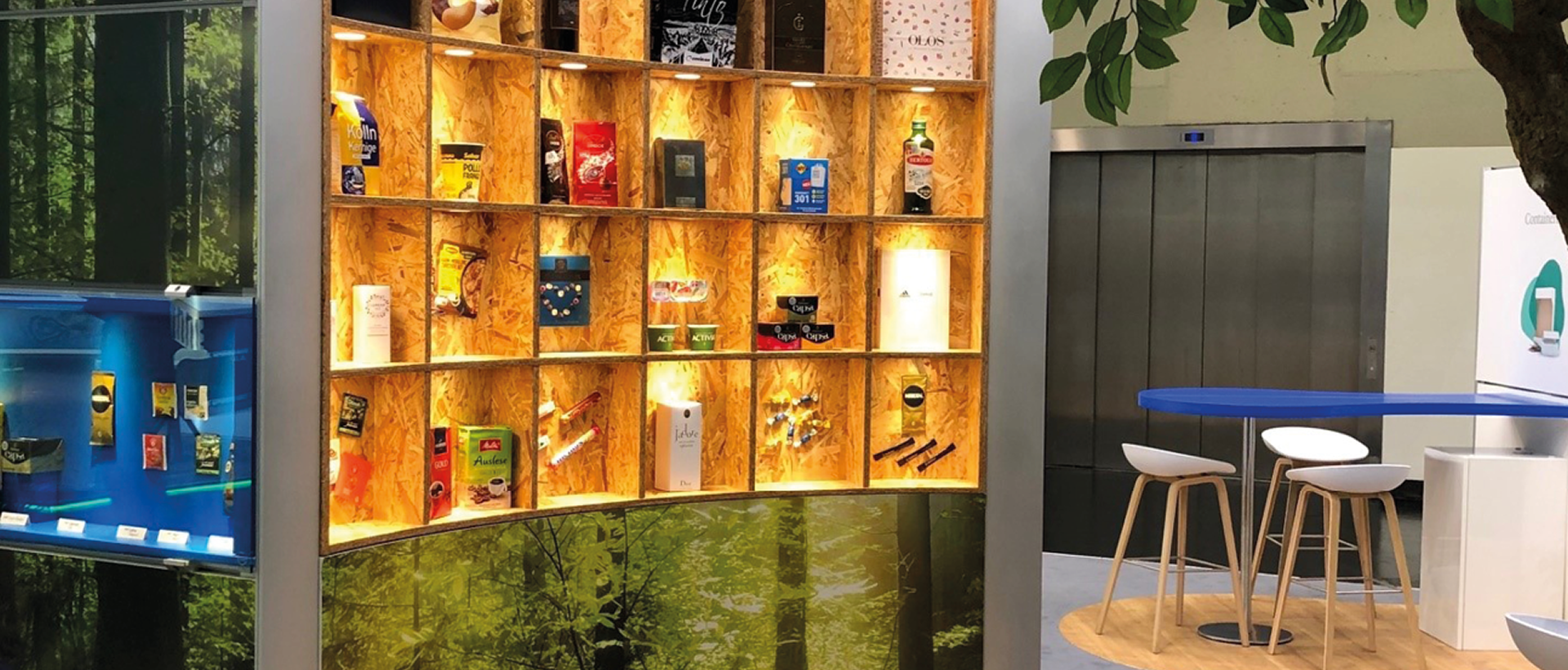
Through our continued focus on innovating packaging and speciality paper solutions, we remain committed to partnerships with customers, who are increasingly focused on the social and environmental credentials of our products. Survey after survey confirms that consumers want to be greener in their purchasing decisions. We are committed to embracing the circular economy using sustainable materials based on certified wood and replacing fossil-based chemistry and to working on new technologies that support transformation in Sappi and across our value chain partners to reduce CO2 emissions and contribute to the UN SDGs.
Traceable and transparent supply chains are key to providing brand owners and consumers with the assurance and confidence that the woodfibre used for the wood-based products they buy originates from verified, responsibly managed forests, is delivered through supply chains that do not cause deforestation, where biodiversity is enhanced and the customary, traditional and civil rights of people are upheld. Against this backdrop, we are working across various forums to share our experience and knowledge on sustainable, transparent supply chains with our customers.
| Shared priorities | Our response | |||
| New or enhanced products that meet rapidly changing market demand |
Consumers have become increasingly aware of social and environmental issues and our customers are looking to us for help in this regard. Against this backdrop, our innovation and sustainability departments enable us to put sustainability at the heart of everything we produce, enhances our understanding of our customers’ current and future needs and means we can meet and anticipate those needs. Where relevant, we will collaborate with partners and/or conduct R&D and develop products to suit customers’ specific needs. See Responding to evolving customer needs through innovation and collaboration |
|||
| Information and initiatives to encourage the use of our paper and packaging solutions and promote Verve’s environmental credentials |
|
Comments on the TE learning visit
“So enlightening and eye opening! I felt a powerful sense of connectivity… to how we can all better partner and understand the constraints and opportunities to make progress on our shared goals. What a lovely group of people and talent your organisation has attracted and retained. Truly impressive.”
TE executive
“It gave a wonderful insight into the production process of dissolving pulp and the complex context in which you operate. It was great to see everybody’s expertise and passion for their work.”
Biodiversity Consultant
“Wish I had had this insight years ago. So excited to share with our buying teams. The Sappi family were so welcoming and it is obvious how passionate they are about what they do – the level of experience is inspiring.”
Retail Sustainability Manager
| Information about the fibre sourcing and production processes behind our brands |
|
|||
| Technical information |
Globally, a series of technical brochures is available on our website www.sappi.com SEU
SNA

SSA
|
Opportunities for value creation
- Meet customer needs for products with an enhanced environmental profile
- Innovate to align with evolving market trends
- Increase awareness of the importance of sustainability
- Promote our customers’ own sustainability journeys
- Keep abreast of market developments
- Provide transparent information in line with our strategic pillar of ‘enhancing trust’
- Leverage our position as a solution provider for a low-carbon and bio-based economy to support customers and policy making
- Showcase our products and promote the Sappi brand.
Challenges for value creation
- Conflation of harvesting from sustainably managed plantations with deforestation, together with lack of understanding about the manner in which the forests and plantations from which we source woodfibre help to mitigate global warming
- Promoting understanding of decarbonisation challenges.
CASE STUDY: Co-creating digital solutions
To stay abreast of our customers’ evolving needs, SNA partnered with the Rochester Institute of Technology (RIT) in New York to co-create next-generation digital solutions that add value both to our customers’ business and ours.
Researchers in the newly launched Sappi-RIT Digital Innovation Lab will study the role of digital business solutions and the user experience in the pulp and paper industry. The lab is situated in the School of Interactive Games and Media within RIT's Golisano College of Computing and Information Sciences. The faculty is dedicated to advancing the fields of computing and information sciences through creativity and innovation.
Sappi generates and captures considerable amounts of data, from our supply chain right through to customer behaviour.
The collaboration with RIT is designed to unlock business insights and value from the data. Initially, the team will focus on leveraging the data to unlock a deeper understanding of our customers.
The lab is part of a wider innovation and efficiency drive within Sappi to accelerate the transition to a bio-based, circular economy, reducing waste and maximising resources to achieve both our business and sustainability goals.
Communities and neighbours

Self-assessment of quality of relationship:
Fair to good
Communities and neighbours
Why we engage
Recognising that we are part of the communities beyond our fence lines and that their prosperity and wellbeing are linked to our own, we strive to make a purpose-driven, meaningful contribution towards their wellbeing and development. We work to create positive social impact by jointly identifying and leveraging opportunities, thereby demonstrating our commitment to transparency and collaboration.
Community engagement meetings take various formats in our mills in the regions where they are situated. These range from broad liaison forums for business, local government and communities to legally mandated environmental forums that form part of the licensing conditions of mills. In South Africa, there are local farmer and community forums related to our forestry communities.
In South Africa, ICFs comprising Sappi employees and community members have helped to enhance our relationships with communities. However, social unrest in the country continues to be an issue – the result of a disaffected population impacted by lack of service delivery and job opportunities. In some instances, this negatively impacts our reputation and relationships with communities.
| Shared priorities | Our response | |||
| Community support including employment, job creation, business opportunities, economic and social impacts/contributions and community support | SEU
SNA
SSA
|
The Ideas that Matter initiative was the winner in Excellence in Community Service in the 2022 Communitas Awards, which recognise organisations, companies and individuals for their outstanding engagements to bring about change to social and environmental issues affecting communities across the globe.
Opportunities for value creation
- Enhanced licence to operate and thrive
- Promoting socio-economic development which could, in the long term, lead to increased demand for our products
- Creation of shared value, positive social impact and promotion of inclusivity
- Closer alignment with authorities’ local development plans.
Challenges for value creation
- Community expectations for jobs and service delivery in South Africa.
Industry bodies, related memberships and organised business

Self-assessment of quality of relationship:
Good
Industry bodies, related memberships and organised business
Why we engage
We engage with industry bodies and organised business, believing that together we are better equipped to meet the needs of a growing and changing society, as well as demonstrate the value business brings to society. Our focus is on using our expertise and networks to help create a more sustainable future. Accordingly, we partner with industry and business bodies to provide input on issues and regulations that affect and are relevant to our businesses and industries. We also support and partner with industry initiatives aimed at promoting the use of our products and the overall sustainability of our industry. One of our longest relationships is with the UNGC, to which we have been a signatory since 2008. We work to implement the UNGC’s 10 principles, all of which align with the UN SDGs. During 2022 we formalised our full membership of the WBCSD, adding our voice to those protecting, promoting and engaging on issues affecting our industry and our business.
Under our Thrive25 strategy which emphasises partnership and collaboration, we have been focusing more intensively on working closely and more often with those who share our values and commitment to our industry.
| Shared priorities | Our response | |||
| Ethics and governance |
Sappi Limited, being headquartered and listed in South Africa (SA), is a member of the Ethics Institute of SA and has also signed the Business Leadership South Africa Integrity Pledge, thereby committing the group to actively combat corrupt practices wherever encountered, preventing anti-competitive behaviour, adopting a zero-tolerance approach to corrupt behaviour and protecting whistle-blowers. Sappi Limited is an active participant in the National Economic Development and Labour Council (Nedlac) Companies Amendment Bill Task Team, where representatives of labour, government and business meet to discuss and seek consensus on the major amendments proposed to the current South African Companies Act and governance codes, as well as changes related to board Social and Ethics Committees. |
|||
| Decarbonisation and net zero |
We engaged throughout the year with the SBTi until our targets were validated in June 2022. See Responding to climate change for more about ESD work. We are a project member of the WBCSD Forest Solutions Group. This collaborative platform enables companies from across the forest and forest products sector to support the development of Net Zero and Roadmap to Nature Positive, for the forest sector. The 2022 work priorities for the group included: Roadmap to Nature Positive, the GHG protocol, TCFD reference scenarios and phase two of the net zero roadmap. The Roadmap to Nature Positive economy, aligns with guidance from the Science Based Targets Network (SBTN) and the Taskforce on Nature-related Financial Disclosure (TNFD); the first draft has been completed and will be published at COP27. The Programme Leader Land Management and Wood Properties, Sappi Forests, spearheaded the carbon calculation and flows methodology related to forests, as well as the quantification and development of mitigating strategies for climate change as related to forests for Sappi. This individual is a member of the World Resources Institute technical working group on GHG Protocol Carbon Removals and Land Sector Initiative Project, which is developing new guidance on how companies account for and report land use, land use change, carbon removals and storage, bio-energy and other biogenic products. Sappi Forests is participating in the GHG pilot for Scope 1 emissions reporting from own land holdings in South Africa using a cradle-to-mill gate system boundary. The TE launched its Climate+ strategy in 2019, with a goal to reduce GHG emissions in the textile value chain by 45% by 2030, while addressing other climate-related impact areas, like water, biodiversity and soil health. To accelerate progress towards the Climate+ objective and to drive collective action, Sappi was one of 40 global brands that participated in a discussion with the Climate Board. The latter was appointed by the TE to uncover industry best practice in terms of reducing GHG emissions. Sappi is also a member of the TE man-made cellulosic fibre roundtable and climate sub-committee, being developed alongside the SBTN to reinforce consistency in language, frameworks and measurements. In the build-up to COP27 (climate change) Sappi joined the Africa Business Leaders Coalition and signed its Africa Business Leaders’ Climate Statement which was presented at COP27. |
|||
| Biodiversity | Global Sappi Pulp was an advisory partner in the development of the Biodiversity Benchmark for the TE. Shortly after year end and in preparation for COP15, Sappi joined other companies from 56 countries in signing the Business for Nature Statement calling for mandatory assessment and disclosure on nature to be included in the Global Biodiversity Framework. In SNA’s sourcing areas, a significant portion of forestland is owned and managed by private landowners, often averaging less than 10 hectares. This presents challenges for forest health and biodiversity conservation. The Sappi Maine Forestry Program and the Sappi Lake States Private Forestry Program, staffed by SNA foresters, offer a wide range of services to landowners including contracting with experienced loggers and providing plans to enhance wildlife habitat and forest health. SNA also supports the University of Minnesota Sustainable Forests Education Cooperative. SSA supports South African National Biodiversity Institute (SANBI), Birdlife SA and WWF-SA. In this region we have seven declared nature reserves on our landholdings in Mpumalanga and KwaZulu-Natal. These proclaimed nature reserves are part of SANBI, are based on partnerships between landowners, provincial conservation authorities and NGOs, and are aimed at securing and enhancing biodiversity. The sites are declared where important biodiversity or ecosystem services have been identified. |
|||
| Issues that affect the sustainability of our industry and initiatives that promote sustainability, awareness and understanding |
Global As a member of the Sustainable Apparel Coalition (SAC), we support the Higg Index developed by the apparel industry to evaluate materials, products, facilities and processes based on environmental performance, social labour practices and product design choices. SEU In FY2022 we participated actively in the 4Evergreen Alliance, which is focused on improving fibre-based packaging circularity and climate performance. The collaboration published Circularity by Design Guidelines, which offers a collective view from experts across the value chain on how different components of fibre-based packaging impact the paper recycling process in standard recycling mills, together with the different ways in which they can be classified. The collaboration also published the Collection & Sorting Guideline, together with three annex materials which aim to improve the use and execution of the Confederation of European Paper Industries (CEPI) harmonised test method for recyclability. We also participated in the Forests Dialogue (TFD), which leads multi-stakeholder dialogue processes among key stakeholders, to overcome conflict and spur collaborative action on the highest priority issues facing the world’s forests. Contributing to the Pulp and Paper Value Chain Information System (P&P-VIS) Together with other members of the CEPI and the European Paper Chemicals Manufacturing Industry Group, SEU contributed to the launch of the P&P-VIS in 2022. The system embodies two essential elements of sustainability transformation: collaboration and transparency. By working together to agree on a harmonised questionnaire and develop an online platform, important information can now flow accurately and efficiently between chemical suppliers and their pulp and paper manufacturing customers. The information shared supports our ability to ensure our
products comply with requirements related to food contact,
Ecolabel, declarable substances, together with other regulatory
and market requirements. Through SNA Sappi continues to be a sponsor of the Paper & Packaging Board’s How Life Unfolds® campaign, which highlights our commitment to innovative, sustainable products. We are a founding partner of The Recycling Partnership and support their work to transform recycling nation-wide and increase materials recovery. SSA Together with PAMSA and another industry member, we sponsored Primestars to develop an infotainment programme for high school learners from under-resourced communities. The programme was aimed at highlighting opportunities in the green economy. |
|||
| Product development and innovation |
|
|||
| Regulatory issues |
SEU The European Green Deal aims to lead the world in achieving climate neutrality under the Fit for 55 legislative package. Our industry supports the objectives of the European Green Deal and is leading the way in taking concrete actions to achieve deep emissions reductions. Our main position in the context of EU policy related to decarbonisation is to ensure a predictable and enabling policy framework for EU industry. We engage through CEPI. One of the most recent proposals was to establish a broadened framework for eco-design requirements for sustainable products. The horizontal framework for eco-design requirements will cover the broadest possible range of products, including intermediate products and components, but excluding food, feed, medicinal products, living plants and animals. We are following the process closely. Together with other members of the European pulp and paper industry, we have been actively contributing to and keenly monitoring the development of the new EU Forest Strategy and the proposal for a regulation concerning certain commodities and products associated with deforestation and forest degradation. SNA In the USA, extended producer responsibility (EPR) legislative activity has gathered momentum. The biggest impact of such legislation is likely to be increased costs to our customers and possible mandates for greater recycled content, which could disadvantage and add costs to Sappi products. The state of Maine, where our Somerset and Westbrook mills are located, was the first state to pass EPR legislation. We are engaging through our trade association, the American Forest & Paper Association, who appointed a consultant to inform and influence the conversation among the media, policymakers, and the public surrounding EPR proposals. See Our engagement with regulators regarding carbon taxes SSA We supported PAMSA in its engagement with the Department of Forestry, Fisheries and the Environment (DFFE), which resulted in the granting of an exclusion for specific waste streams from the definition of waste to promote beneficiation opportunities of the likes of paper sludge and ash in various products such as brick and block manufacturing, soil conditioners, biofuels and cement production. |
|||
| Enhanced forestry management |
SNA We belong to the Cooperative Forest Research Unit based at the University of Maine, where scientists conduct applied research that provides Maine’s forest landowners, forestry community and policymakers with the information needed to ensure both sustainable forestry practices and science-based forest policy. We continued our ongoing participation in Emerald Ash Borer surveys and other pest/pathogen/invasive species quarantines and studies. The revised SFI Forest Management, COC and Fiber Sourcing Standards went into effect on 1 January 2022. The new standards bring clarity and rigour in key areas of due diligence systems and avoidance of controversial sources, landscape biodiversity conversation and logger training together with new climate Smart Forestry practices and an optional climate change adaptation module. We are a member of Minnesota Forest Industries (MFI), which meets quarterly with public agencies to discuss forest-related challenges, industry needs, workforce challenges, and trends/concerns/opportunities. SSA A milestone was reached last year when we were awarded the first-ever PEFC forest management certificate in the country. This means that all our plantations are now both FSC and the PEFC certified. In addition to PEFC forestry management certification, Ngodwana, Saiccor and Tugela Mills are now chain of custody certified. The Sappi Forests Vice-President spoke at the 15th World Forestry Congress, held in Korea on the topic: Managing forests for the SDGs: Creating value, equality and resilience from forest products and ecosystem services. |
|||
| Combatting deforestation and promoting certification |
We believe that creating value in standing forests is one of the best ways to combat deforestation in the long term. Engagement with participants along the supply chain from the forests to the customers is active, and Sappi advocates for the importance of sustainable forest management practices, and forest certification as assurance of the supply chain integrity. We are an active member of FSC International’s northern and southern economic chambers and PEFC’s international stakeholder member, and collaborates to promote and expand forest certification, but also to ensure that the systems continuously develop themselves to sustain the integrity and robustness of certified supply chains. |
|||
| Promoting the sound credentials of woodfibre | Sappi is a member of the SAC's policy advocacy task team responsible for providing commentary on the development of the EU textile strategy and associated policies, in line with the EU Green Deal directive. One of the key aims is to ensure that virgin wood-based raw materials are recognised as a sustainable option. This advocacy group is supported by the Federation of European Sporting Goods Industry and Global Fashion Agenda. |
|||
| Ensuring the integrity of natural resources like water | SSA has partnered with WWF-SA to proactively manage water resources in the uMkhomazi catchment, in which our Saiccor Mill is situated through multi-stakeholder collaboration across the landscape. This collaborative approach is an extension of an innovative structure, known as the ICF, which we pioneered and through which we engage with communities close to our areas of operation. Under this project, we launched the first community-based alien vegetation clearing and maintenance project with the Nzinga community. |
Opportunities for value creation
- Address complex topics through collaboration
- Develop sustainable, transparent supply chains
- Maintain and expand markets for our products
- Enhance understanding of our social and environmental credentials
- Influence policy and regulations
- Promote dialogue
- Share our experience and knowledge on sustainable, transparent supply chains to help prevent deforestation.
Challenges for value creation
- High costs of and resource requirements for certain industry memberships.
CASE STUDY: Progressing DNA fingerprinting for small growers
The DNA Fingerprinting for Small Growers initiative was launched in FY2022. Supported by the South African Technology Innovation Agency, it aims to make DNA fingerprinting technology developed by the Forest Molecular Genetics Programme, through the founding members (of which Sappi is one), available to small growers and farmers.
This will help with the identification of clonal genotypes, confirmation of hybrids and with parentage and pedigree reconstruction. This has become an indispensable tool in the forestry industry, aimed at ensuring the deployment of fast-growing, resilient trees.
The Technology Innovation Agency, has provided ZAR500,000 per annum, which will support a dedicated technician and subsidise the cost of DNA fingerprinting for small growers and private nurseries to a total of 800 to 1,000 samples per year. In the next phase, there will be engagement between industry members and the outgrower community.
Our membership of industry associations and other organisations
- African Business Leaders Coalition
- Business Leadership South Africa
- CEO Initiative
- Circular Bio-economy Alliance
- EcoVadis
- Ethics Institute (South Africa)
- International Stakeholder member of the PEFC1
- Nedlac
- Paris Pledge for Action
- Sustainable Apparel Coalition
- Technical Association of the Pulp and Paper Industry
- TE
- UNGC
- WBCSD including the FSG.
Sappi Limited
SEU
- Biobased Industries Consortium
- BioChem Europe
- CELAB: Towards a Circular Economy for Labels
- CEFLEX: A circular economy for flexible packaging
- CEPI
- Eurograph
- European Joint Undertaking on Biobased Industries
- 4Evergreen Alliance
- Ligninclub
- Print Power
- The Alliance of Energy-Intensive Industries
- The Forests Dialogue.
SNA
- Alliance for Pulp & Paper Technology Innovation
- American BioFuels Association
- American Forests and Paper Association
- American Forest Foundation (AFF)
- Biorenewable Deployment Consortium
- Federal Forest Resources Coalition
- Forest Products Working Group
- Forest Resources Association
- FSC
- Great Lakes Timber Professionals Association
- Maine Forest Products Council
- Maine Tree Foundation
- Michigan Forest Products Council
- Minnesota Forest Industries
- Minnesota Timber Producers Association
- NH Timberland Owners Association
- Paper and Paper Packing Board
- Paperboard Packaging Council
- Pulp and Paper Products Council
- Sustainable Packaging Coalition
- Sustainable Forestry Initiative (SFI)
- The Recycling Partnership
- University of Maine Cooperative Research Unit
- University of Maine Paper Surface Science Consortia
- University of Minnesota Sustainable Forests Education Cooperative.
SSA
- Birdlife SA
- Business Unity South Africa
- Fibre Circle
- Fibre Processing and Manufacturing Skills Education and Training Authority
- Forestry South Africa
- FSC
- National Business Initiative
- Manufacturing Circle
- Packaging SA
- PAMSA
- Recycle Paper ZA
- Shared Value Initiative
- SANBI
- South African Chamber of Commerce and Industry and local chambers of commerce and industry
- WWF-SA.
Sappi Forests
- Biological Control of Eucalypt Pests
- Biorenewable Deployment Consortium
- CAMCORE
- Eucalypt Pest and Pathogen Working Group
- Forestry and Agricultural Biotechnology Institute
- Forest Molecular Genetic Programme
- Institute for Commercial Forestry Research
- South African Institute of Forestry
- The Tree Protection Co-operative Programme – founding member.
Shareholders, bondholders and banks

Self-assessment of quality of relationship:
Good to excellent
Shareholders, bondholders and banks
Why we engage
Our aim is to provide investors (shareholders and bondholders) and analysts with transparent, timely, relevant communication that provides them with an understanding of our industry and our performance, setting out the manner in which we hope to achieve growth ambitions to facilitate informed decisions.
| Shared priorities | Our response | |||
|
Understanding Sappi's strategy Understanding Sappi’s performance Return on investment Transparent information about risks, opportunities and ESG performance, in particular the impact of climate change on strategic and financial decisions Ability to generate sufficient cash flows to fund our business and service our debt |
|
Opportunities for value creation
- Understanding of and commitment to our strategic direction
- Enhanced reputation
- Greater investment confidence
- Broader licence to invest.
Challenges for value creation
- Slow post-Covid-19 economic recovery
- Uncertainty about certain environmental regulations
- Cyclicality of our business.
CASE STUDY: About our RCF and Sustainable Financing Framework
The newly adopted Sustainable Financing Framework is our first financing facility with sustainability-linked KPIs. The new facility of €515 million matures in February 2027 and comprises a consortium of eight relationship banks. The RCF was structured with a margin adjustment mechanism, linked to progress in achieving the KPIs and will be used to guide any sustainability-linked characteristics of future financing solutions.
The framework was verified by ISS ESG with a second party opinion that defines four material sustainability KPIs and provides a basis for future KPI-linked credit and capital market activities of the group. The KPIs focus on decreasing specific GHG (Scope 1 + 2) emissions by 18% in 2025; ensuring that certified fibre supplied to Sappi mills is more than 75% every year; reducing solid waste to landfill by 15%; and securing zero workplace injuries (LTIFR) for own employees.
This is an important strategic step for Sappi and supports our long-term vision to be a sustainable business with an ambitious sustainability strategy.
Government and regulatory bodies

Self-assessment of quality of relationship:
Fair to good
Government and regulatory bodies
Why we engage
Dialogue with members of governments and regulatory authorities is seen as an opportunity for all stakeholders involved to better understand all aspects and, as such, hopefully make better decisions. We work to ensure that our position on a broad range of priority issues is understood by politicians, decision makers, opinion formers and other role-players in the regions where we operate. This is in order to support a policy and legislative environment that helps us achieve our business objectives, as well as enhance our reputation and brand. In addition to direct contact, we also work through a variety of industry groups and associations as described in our above tab - Industry bodies, related memberships and organised business.
| Shared priorities | Our response | |||
The social and economic benefits of our industry nationally, as well as at a local level Increased investment Energy issues and carbon taxation The impact of increased regulations on business Enhancing sustainable forest management and land use |
SEU We are actively working in various forest-sector collaborations to ensure a thriving forest bio-economy remains an integral part of the EU Green Deal. Through sustainable forest management practices, responsible sourcing, efficient use of resources and manufacturing innovation, the sector provides fibre-based and low-carbon solutions and products, thus boosting the transition into a circular economy. SNA We actively engage through various industry trade associations at the federal and state level to ensure that a thriving forest resources industry remains a vibrant part of the US economy. In August 2022, US President Biden signed the Inflation Reduction Act (IRA) into law. Our response is described in Our operating context. SSA
|
Opportunities for value creation
- Promoting understanding of issues and challenges and the strategic value of our industry helps to create a more receptive regulatory and policy environment.
Challenges for value creation
- Policies which take neither our high use of bio-based energy into account nor recognise the important carbon sequestration role played by the sustainably managed forests and plantations from which we source woodfibre
- Slow granting of water use licences in South Africa
- Uncertainty about regulatory developments, for example: carbon tax
- Administrative delays.
Suppliers and contractors

Self-assessment of quality of relationship:
Good
Suppliers and contractors
Why we engage
The more than 16,000 suppliers that comprise our global value chain are essential to our business. From providing woodfibre and other raw materials to energy and logistics, they support us in making the everyday products that our customers need world-wide. Ensuring these suppliers ‘do right’ by acting in accordance with our own policies, principles and values is a strategic priority – one that is enshrined in our Supplier Code of Conduct and supported by our collaboration with EcoVadis, a global platform providing business sustainability ratings.
We aim to establish mutually respectful relationships with our suppliers and encourage them to share our approach to using woodfibre not only for business profit but also for generational prosperity; investing in and searching for innovative ways to leave the planet better than we found it and making a purpose-driven and meaningful contribution towards the wellbeing and development of employees and our communities.
We want to build long-term value partnerships, based on the importance of suppliers to a sustainable supply chain.
In relation to smallholders, in South Africa and North America, we engage directly with the small landowners supplying wood to our mills. We also offer forestry services to support their forest management. In Europe, we have procurement partners who do this on our behalf. Within the communities where we operate in South Africa, we also support small to medium enterprise development, training initiatives and forestry outgrower schemes to stimulate value chain development in rural areas.
| Shared priorities | Our response | |||
| Robust safety procedures and a strong culture of safety | Given our focus on zero harm in the workplace, we work with our contractors to ensure that they follow Sappi’s safety systems and regard their safety as just as important as that of our own people. In South Africa, Sappi Forests continues to work closely with contractors and their workers to implement the innovative Stop and Think Before You Act safety initiative. |
|||
| Transparency into the value chain | We continued to assess the sustainability performance of our suppliers through proactive ratings and evaluations using EcoVadis’ methodology. Under the EcoVadis banner, we have been submitting our own sustainability performance to our customers for many years now. Globally, our procurement team made progress in assessing suppliers against our Supplier Code of Conduct: SEU, 83% of total procurement spend covered; SNA, 72% and SSA 58%. |
|||
Security of fibre supply Certification Income generation and job creation |
SEU In Europe, we procure wood through well-established wood sourcing companies and wood procurement partners in Europe (Metsä Forest in Finland, proNARO in Germany, Sapin in Belgium and Papierholz in Austria) all of which operate with an established pool of forest owners and wood suppliers. In addition, we are a member of CEPI, which participates in actions supporting and promoting forest management and certification. SNA The Sappi Maine Forestry Program and the Sappi Lake States Private Forestry Program, staffed by SNA foresters, offer a wide range of services to landowners, including contracting with experienced loggers and providing plans to enhance wildlife habitat and forest health. The SNA stumpage programme assists landowners with developing harvest plans and timber stand improvement project plans with appropriate silvicultural techniques that ensure prompt regeneration after harvest. SNA stumpage foresters conduct inspections on all jobs to ensure compliance with laws, policies and best management practices to conserve soil and water quantity/quality, along with other values such as biodiversity conservation, aesthetics management, cultural resource protection, etc. SSA Qualified extension officers provide growers in our Sappi Khulisa enterprise development scheme with ongoing growing advice and practical assistance. Khulisa Ulwazi (growing knowledge) training centres are targeted at Khulisa growers and land reform beneficiaries. Training covers entrepreneurship, fire management, harvesting planning, leadership and management development, as well as safety. Sappi is involved in several land reform projects, helping beneficiaries to manage their land. Many of these properties previously belonged to commercial farmers who had supply agreements with Sappi. For many of the land claims in which we have been involved, and where there has been a change in ownership, we continue to buy the timber and help manage those plantations. The high cost of certification has been an issue for small growers which we have helped to overcome by offering a group certification scheme. In 2022 there were 39 members in the scheme with plantations totalling 45,600. Sappi was the first forestry company in South Africa to achieve PEFC certification through the Sustainable African Forestry Assurance Scheme (SAFAS). This incorporates a value-based platform (VBP) approach, which is designed to look at integrated risks across landscapes and is more suitable for smallholders. Using the VBP approach, we are now assessing 13 grower groups, covering 4,443 hectares, for certification readiness. |
Opportunities for value creation
- Improved supplier relations
- Increased uptake of the Supplier Code of Conduct
- Better understanding of the requirements of the Sappi group
- Expanded basket of certified fibre
- Support for local economic development
- Support for emerging supplier-contractor development.
Challenges for value creation
- Security of woodfibre supply
- Ensuring that small, medium and micro enterprises have the right social and environmental procedures in place and monitoring compliance.
Civil society and media

Self-assessment of quality of relationship:
Good
Civil society and media
Why we engage
We maintain an open relationship with the media, believing that an informed media is better able to serve public reporting and debate on any issue.
We continue to update the media on our belief that it’s our responsibility to use the full potential of each tree we harvest. We engage with civil society organisations on issues of mutual interest and belong to key organisations relevant to our operations. We engage with various civil society groups on our societal and development impact.
Globally we interact and engage with a wide range of non-governmental organisations, especially through our participation with the forest certification systems (FSC, PEFC and SFI). We leverage these platforms to actively contribute to the growth of forest certification world-wide and collaborate with diverse stakeholders.
| Shared priorities | Our response | |||
|
Business developments The future of our industry Our impacts on our communities Protecting the environment |
Global
SNA
SSA
|
Opportunities for value creation
- Inform and educate media
- Encourage civil society to share our sustainability and Thrive25 strategy through positive actions.
Challenges for value creation
- Misunderstanding of our environmental impacts.