Letter to stakeholders and Q&A with CEO

Every trail we follow is shaped by people – the communities we serve, the teams we empower, and the values we uphold. At Sappi, we believe that sustainable progress begins with understanding local needs and investing in shared value.

Like the fox navigating snow-covered terrain, we move with agility and intent – alert to change, guided by experience, and grounded in ethical purpose. This instinctive adaptability mirrors our approach: making smart decisions swiftly, with courage and integrity, and always with safety foremost in mind.

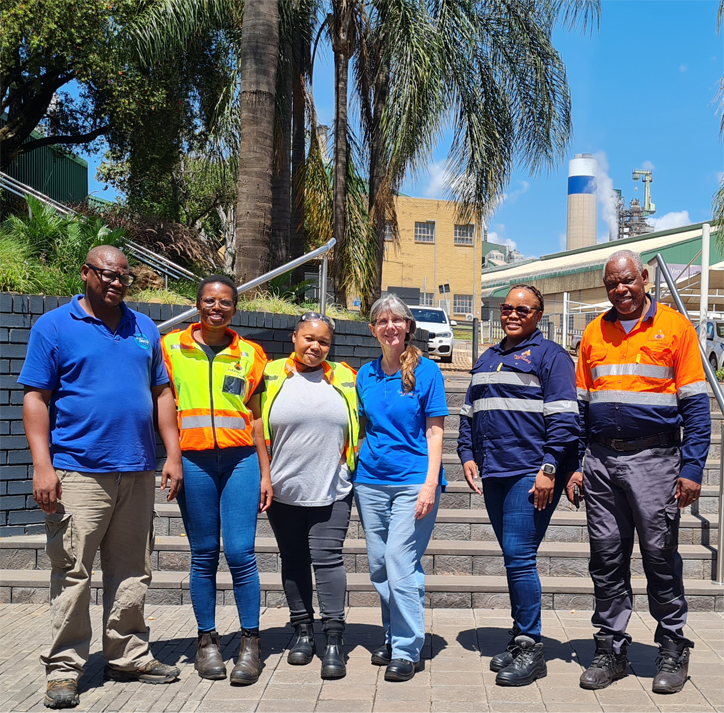
The communities beyond our fence lines are places we are also proud to call home. Their prosperity is not only linked to our own – it is deeply valued and actively nurtured. Our social impact approach is collaborative. We partner with communities to jointly identify and leverage opportunities that support local needs while aligning with Sappi’s purpose. While each region has its own programmes, they share common themes – forestry-related activities, environmental protection and conservation, education, and community welfare.

Through targeted enterprise and supplier development (ESD) programmes, we support local businesses and foster inclusive economic growth. We maintain open, proactive dialogue with stakeholders to build trust and mutual understanding.

Internally, we invest in training, succession planning, and skills development to prepare our workforce for future demands. We manage reputation with care and uphold ethical standards in every decision – ensuring that our path is shaped by smart choices and ethical resolve, moving swiftly but never at the expense of safety or integrity.

Our people-centred approach strengthens our social licence to operate and reinforces our commitment to shared progress – with every step, we remain alert, responsive, and purposeful.

A channel is more than a passage – it is a chosen course, shaped by intention and skill. As we begin the next phase of our Thrive strategy, we reflect on a journey steered with stamina, precision, and responsiveness. Like a gondolier navigating shifting waters, we have moved through capacity expansion, product realignment, and strategic repositioning – attuned to our environment and guided by purpose.

At Sappi, prosperity is not defined by profit alone. It is the ability to create enduring value – financial, social, and environmental. For shareholders, it means disciplined stewardship and operational excellence. For communities, it means investing in renewable resources and partnering for shared progress. For the planet, it means embracing sustainable solutions with eco-effective ingenuity.

Looking ahead, for the immediate future we return to our basics: sustaining financial health, optimising asset utilisation, cash generation and managing costs. While demand for graphic papers continues its structural decline, our focus on market-share growth is delivering results and reinforcing our competitive position. In the dissolving wood pulp (DWP) segment, we remain cautiously optimistic. Despite global headwinds, the long-term outlook is positive, and we are well-positioned to respond with agility and clarity.

In a resource-constrained world, prosperity flows through the channels we choose – those defined by resilience, ethical resolve, and collective strength. As we navigate toward our next horizon, we do so with quiet confidence and a steady hand, steering toward value that endures.

Every course we chart is shaped by our relationship with the natural world. At Sappi, we are custodians of land and forests, committed to using woodfibre responsibly – not only to drive business success, but to contribute to long-term environmental and social value across generations.

Our environmental strategy is rooted in certification, traceability, and continuous improvement in sourcing and land management. Through precision forestry practices, we optimise plantation health and productivity while advancing biodiversity protection. These efforts ensure that our raw materials are sourced from responsibly managed plantations that meet rigorous sustainability standards.

We take proactive steps to reduce our environmental footprint. Our operations are guided by robust environmental management systems that help us lower emissions, conserve water, and improve energy efficiency – often with internally generated bioenergy. As part of our climate action strategy, we are accelerating decarbonisation across our value chain, aligning with science-based targets and global climate frameworks.

Stewardship at Sappi means moving beyond compliance. We integrate circular design principles, regenerative land-use practices, and climate resilience into our operations, balancing business needs with ecological integrity. Our approach is intentional, adaptive, and informed by the evolving expectations of our stakeholders and the realities of a changing climate.

As we adjust our sails to meet the shifting tides of climate change and global expectations, our direction remains clear: to protect, restore, and regenerate the natural systems that sustain us, through measurable action, transparent reporting, and continuous innovation.

Our voyage is powered by innovation – guided by purpose, leadership, and a steadfast commitment to sustainability. Sappi uses renewable resources to make woodfibre-based products, and we are a diversified, innovative, and trusted leader focused on sustainable processes and solutions. From dissolving wood pulp to packaging and speciality papers, we continue to expand our portfolio with offerings that meet evolving customer needs and rising environmental standards.

We invest in meaningful engagement across the value chain – collaborating with customers as well as brand owners, converters, and suppliers to unlock shared value. By listening closely and partnering widely, we identify opportunities to enhance product performance, all the while looking to reduce environmental impact, and supporting long-term returns.

Our product strategy is dynamic and forward-looking, anchored in circularity, and market relevance. Through fact-based support and technical expertise, we help customers navigate their own ESG challenges with confidence and clarity.

In a world transitioning from a fossil-based economy to a circular bioeconomy, Sappi offers a compelling vision: a sustainable business with an exciting future in woodfibre – delivering relevant solutions, enhanced value, and trusted partnerships. Beyond our product portfolio, we offer a suite of technical and development services supported by highly qualified teams of technicians to improve customer efficiencies and scientists who continuously explore new applications for woodfibre and collaborate with customers through targeted R&D initiatives.

On this voyage of delivering traceable, responsibly sourced products, we deploy state-of-the-art technology to ensure precision, reliability, and transparency. Every offering is a step forward – advancing purpose-led growth, regenerative design, and global impact. We are actively building a circular economy that benefits both business and the world.

Just as rivers carve their course over centuries – shaping landscapes through persistence and adaptability – our journey begins with a path defined by nearly 90 years of resilience, reinvention, and purpose. Sappi’s Thrive business strategy is more than a roadmap; it is a long-term commitment to sustainable growth, operational excellence, and enduring trust, all while creating meaningful value for our stakeholders.

As Thrive evolves, we stand at an inflection point. The environment around us is shifting – reshaped by global forces that continue to redefine business: climate change, resource scarcity, consumer and employee expectations, and the rapid pace of technological innovation. Our strategy evolves in response, slightly adjusted to remain fit for purpose, reaffirming our commitment to building a thriving world through renewable innovation and shared prosperity.

Our path is not static – it adapts with intention. Whether responding to market pressures or environmental imperatives, we remain focused on long-term value creation. Strategic clarity, technological innovation, and disciplined execution keep us on course – propelling us forward with purpose.

As we look ahead, our focus sharpens: sustaining financial health, deepening stakeholder value, and unlocking opportunity through collaboration and eco-effective ingenuity. The river may change course, but its direction remains true.

Menu

Our key material issues

Our key material issues are those that we believe underpin our strategic risks and opportunities and have the highest potential impact – negative and positive – on stakeholder value.

Below is a summary of why we believe these issues are material to Sappi, both in financial and impact terms, as well as their links to other aspects of our business, FY2025 highlights and how we create and preserve value.

Principles

  • Ethical behaviour and compliance
  • Responsible procurement

Prosperity

  • Competitive position
  • Sustainable solutions for a circular bioeconomy

People

  • Health, safety and wellbeing of our employees and contractors
  • Sappi talent
  • Labour relations
  • Social impact

Planet

  • Sustainable forestry
  • Biodiversity
  • Climate change
  • Water stewardship
  • Resource efficiency and minimising waste

A comprehensive background to each material issue, together with key developments in FY2025 can be found in our 2025 Sappi Group Sustainability Report.

Click below for more detail

Principles


Ethical behaviour and compliance

Financial materiality

Ethical behaviour and compliance are essential to safeguarding Sappi’s long-term value creation and resilience, as lapses in governance or ethical conduct can lead to legal penalties, operational disruptions, reputational harm, and diminished investor confidence – each with material consequences for earnings and capital access. By maintaining robust compliance systems, embedding ethical decision-making throughout our operations, and fostering a culture of integrity, we mitigate financial risk, preserves stakeholder trust and strengthen our ability to attract investment, secure customer loyalty, and sustain profitability in a competitive global market.

Impact materiality

Our actions and decisions influence a broad network of stakeholders including employees, customers, suppliers, regulators and communities. Any lapse in ethics can have far-reaching social consequences. Upholding integrity and transparency help to promote fair business practices, strengthen human rights, and combat corruption across our value chain. Through rigorous governance, training, and monitoring systems, Sappi seeks to ensure that our operations contribute positively to ethical business conduct within the regions where we operate. By consistently acting with integrity, we not only reinforce our social licence to operate but also help to build more accountable, transparent and sustainable markets that benefit society at large.

How this issue links to other aspects of our business
Our global priority SDGs
Our strategic fundamentals
The global forces shaping our Thrive strategy
  • Rapid pace of technological innovation and threats, including cyber threats
  • Changing consumer and employee behaviour
  • Deglobalisation, polarisation and increased geopolitical and trade tensions
  • Human rights and modern slavery.
Our top 10 risks

3Cyber security

4Sustainability expectations

8Uncertain and evolving regulatory and public landscape

10Employee and community relations

Our highlights

  • Comprehensive ethics training
  • Ethics-related indicators rated highly in the 2025 employee engagement survey
  • Reinforced ethics awareness through global events Global Ethics Day and World Whistleblower Day.

How we create and preserve value

At Sappi, we believe that how we do business is just as important as what we achieve. Acting with integrity, transparency and respect is fundamental to who we are and how we create lasting value. Our Code of Ethics guides our decisions and behaviour across every region and level of the organisation, helping us do the right thing – even when no one is watching. Over the past year, we strengthened this commitment through expanded ethics training, more accessible reporting channels, and continued partnerships that promote integrity across our supply chain. It is encouraging to see this reflected in our latest employee engagement results, where confidence in how ethical concerns are addressed has risen significantly. These outcomes reaffirm that a culture of trust and accountability is not only good for our people and partners, but also essential to sustaining long-term success for Sappi and all who depend on us.

Case study

Promoting ethics beyond our business – Building integrity in our supply chain

At Sappi, we recognise that ethical behaviour and integrity must extend beyond our own operations into every aspect of our value chain. In South Africa, this commitment drives our collaboration with regional partners to strengthen governance and build ethical capacity within our enterprise supplier development (ESD) network.

In 2025, our SSA Regional Procurement Head of Department participated in the inaugural Ethical Supplier and Integrity Talks, launched in partnership with the National Business Initiative (NBI). The event served as a platform for industry leaders to share best practices on promoting integrity across supply chains. During the session, our representative highlighted Sappi’s proactive approach to equipping ESD partners with practical tools to navigate ethical dilemmas, address compliance risks, and uphold transparency in their operations. This initiative aligns with our broader commitment to ensure that all suppliers, especially emerging enterprises, understand and live by the same values that guide our business. This focus is particularly critical in the Southern Africa region, where particularly critical in the Southern Africa region, where new and developing businesses often face systemic corruption and other unethical pressures. By fostering awareness, providing targeted training, and building resilience against unethical practices, Sappi is helping create a more transparent, trustworthy, and sustainable business ecosystem – one supplier at a time.

Responsible procurement

Financial materiality

With a network of over 17,000 suppliers, responsible procurement is financially material to Sappi’s performance and long-term sustainability. An ethical, transparent, and well-managed supply chain directly supports our strategic pillars of growth, financial resilience, and operational excellence. By partnering with suppliers who share our commitment to integrity, quality, and sustainability, we reduce exposure to operational, legal, and reputational risks that could materially impact profitability and cash flow. It also ensures supply continuity, strengthens cost efficiency, and safeguards value creation, preserving our licence to operate and sustaining stakeholder confidence globally.

Impact materiality

Responsible procurement is materially significant to Sappi’s impact on people, communities, and the environment. In an increasingly socially and environmentally conscious world, maintaining ethical and transparent supply chains is essential to our strategic pillar of building trust and advancing our vision of a thriving world. Through responsible sourcing, we help prevent negative social and environmental impacts, safeguard human rights, and promote fair labour and sustainable forestry practices across our global value chain. By providing customers and consumers with visibility into our sourcing processes and collaborating with suppliers to strengthen their capacity for ethical and sustainable business, we drive shared value creation and contribute to more inclusive, resilient, and environmentally responsible supply networks.

How this issue links to other aspects of our business
Our global priority SDGs
Our strategic fundamentals
The global forces shaping our Thrive strategy
  • Changing consumer and employee behaviour
  • Persistent supply chain challenges
  • Resource scarcity and growing concern for natural capital
  • Move towards the circular economy
  • Climate change and climate transition
  • Deglobalisation, polarisation and increased geopolitical and trade tensions
  • Human rights and modern slavery.
Our top 10 risks

2Cyclical macroeconomic factors

3Cyber security

4Sustainability expectations

6Climate change

8Uncertain and evolving regulatory and public landscape

9Supply chain disruption

Our highlights

  • 82% of our global eligible1 spend is with declared compliance to our Supplier Code of Conduct
  • 60% of our global eligible2 spend is with suppliers that disclose and have a corporate social responsibility (CSR) performance rating with EcoVadis
  • 23% of our global eligible2 spend is with suppliers that commit to science-based emissions reduction targets.
1 Eligible spend excludes internal spend categories, taxes, rebates and in North America payments to union pension funds.
2 Eligible spend excludes internal spend categories, taxes, rebates and in North America purchases from private wood landowners and payments to union pension funds, as well as spend with government organisations and enterprise and supplier development (ESD) suppliers in South Africa.

How we create and preserve value

Sappi creates and preserves value through a responsible procurement approach that embeds ethics, sustainability, and transparency across a global network of more than 17,000 suppliers. Guided by our Group Supplier Code of Conduct and underpinned by our Code of Ethics, human rights, and whistle-blowing policies, we work in partnership with suppliers to identify risk, assess social and environmental performance, and promote alignment with the UN Sustainable Development Goals. In 2025, 82% of our global procurement spend was covered by suppliers who declared compliance with our code, exceeding our Thrive target, while 60% of spend was assessed through EcoVadis, providing detailed insights into supplier sustainability performance. Through our Science Based Targets initiative, we engage suppliers to set and pursue emissions reduction goals, supporting our Scope 3 decarbonisation objectives and strengthening resilience across our value chain. Our due diligence and sanctions screening systems ensure that human rights and ethical business standards are upheld, while regional initiatives such as supplier risk assessments in Europe and enterprise supplier development in Southern Africa enable inclusion and shared prosperity. By empowering emerging enterprises, rewarding sustainability leadership, and fostering collaboration on climate action, Sappi ensures that responsible procurement not only protects value but also generates lasting impact which drives operational excellence, inclusive growth, and progress toward a thriving, low-carbon future.

Case study

Sappi North America celebrates supplier sustainability leadership

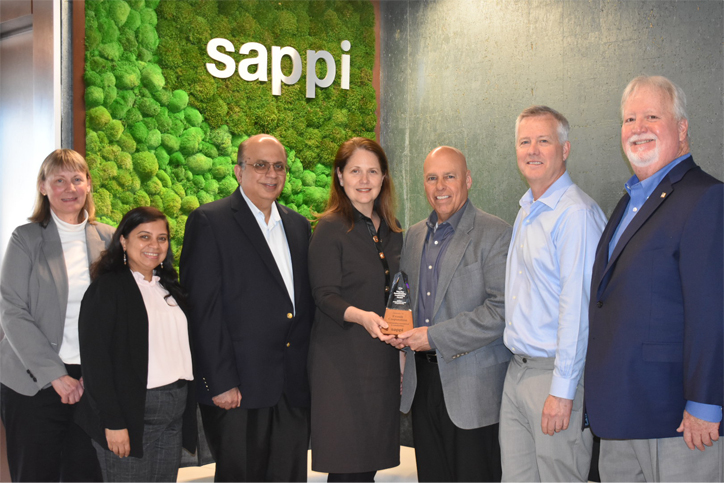
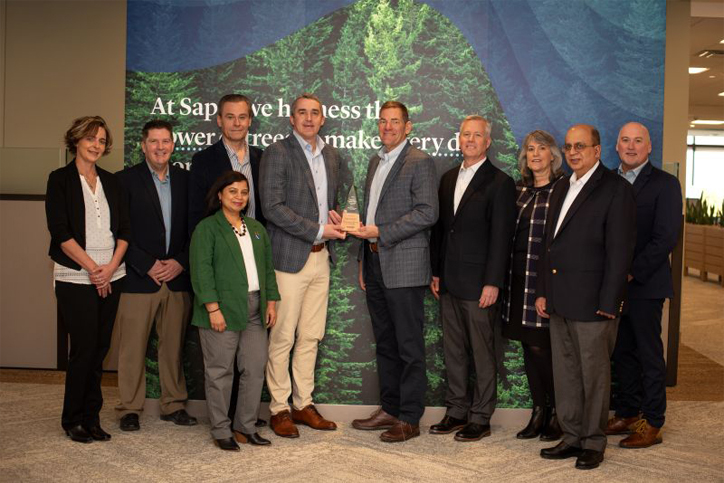
Sappi’s success in sustainability is built on strong, values-driven partnerships. In 2025, Sappi North America celebrated supplier excellence through the Sappi Supplier Sustainability Leadership Award, recognising three outstanding partners: Brenntag Corporation, Evonik Corporation, and Solenis.

The annual award honours suppliers that demonstrate exceptional commitment to sustainability across environmental, social, and ethical dimensions. Each of the 2025 recipients achieved a platinum EcoVadis rating, placing them among the top tier of global sustainability performers.

  • Brenntag Corporation was recognised for its leadership in workplace safety, renewable energy adoption, and a well-defined roadmap to achieve net-zero emissions by 2050. Its collaboration with Sappi continues to advance responsible sourcing and circularity across our supply chain
  • Evonik Corporation, a global leader in speciality chemicals, earned the award for its commitment to science-based targets, ambitious carbon-reduction programmes, and the development of low-impact materials that enable sustainable innovation
  • Solenis was honoured for its pioneering work in water stewardship, energy efficiency, and the development of fibre-based alternatives to plastic, helping drive sustainable manufacturing throughout the value chain.

Through these partnerships, Sappi reinforces its commitment to responsible procurement by promoting transparency, innovation, and shared responsibility. These collaborations demonstrate how sustainability leadership within our supplier network contributes directly to Sappi’s vision of a thriving world and strengthens the integrity of our entire value chain.

Prosperity


Competitive position

Financial materiality

Maintaining cost leadership and sustainable profitability amid volatile market conditions is central to the financial materiality of our competitive position. Operational efficiency allows us to reduce waste and optimise resource use, directly enhancing margins and safeguarding our cost competitiveness which is a key determinant of financial resilience in a cyclical industry. Concurrently, sustained investment in technological innovation and R&D enable us to diversify revenue streams, meet evolving customer needs, and capture value in emerging high-growth biobased and packaging segments. This dual focus mitigates risks associated with fluctuating demand in traditional paper markets while also underpinning long-term value creation, strengthening our market position and financial performance.

Impact materiality

Improving operational efficiencies and innovating in circular products reflect the impact materiality of our competitive position by generating environmental, social and economic value. By reducing energy consumption, increasing renewable energy use, and minimising waste, we lower our carbon footprint while also contributing to ecosystem health and resource conservation. Our circular innovations, including the development of biobased and recyclable products, extend product lifecycles and reduce dependence on fossil-based materials. These initiatives align with growing consumer and industry demand for sustainable solutions, strengthen stakeholder relationships, and foster a more resilient, low-carbon economy. In doing so, we create shared value while supporting the wellbeing of communities, advancing environmental stewardship, and reinforcing our long-term competitiveness.

How this issue links to other aspects of our business
Our global priority SDGs
Our strategic fundamentals
The global forces shaping our Thrive strategy
  • Changing consumer and employee behaviour
  • Rapid pace of technological innovation and threat, including cyber security
  • Persistent supply chain challenges
  • Move towards a circular economy
  • Resource scarcity and growing concern for natural capital
  • Climate change and climate transition.
Our top 10 risks

2Cyclical macroeconomic factors

3Cyber security

4Sustainability expectations

5Evolving technologies and consumer preferences

6Climate change

7Liquidity

8Uncertain and evolving regulatory and public landscape

9Supply chain disruption

Our highlights

  • US$114 million from our strategic procurement savings project vs a target of US$56 million
  • R&D spend for FY2025 of US$44 million
  • Released 17 new products with sustainability benefits over the last five years against our target of 25, including new packaging and speciality papers as well as biomaterial products.

How we create and preserve value

Sappi creates and preserves value through a competitive advantage built on operational excellence, agility, and innovation. By continually improving efficiency across our global operations, we optimise resource utilisation, minimise waste, and reduce costs. This strengthens our ability to deliver superior value to customers while maintaining profitability in challenging markets. Our focus on agility allows us to adapt swiftly to evolving customer needs, market dynamics, and regulatory expectations, ensuring business resilience and long-term relevance. Through sustained investment in R&D, data science, and process innovation, we develop advanced fibre-based, recyclable, and biobased products that not only replace fossil-derived materials but also open new market opportunities in sustainable packaging, speciality papers, and biomaterials. Collaborative innovation models, such as our technology scouting and corporate venture initiatives, accelerate development and integration of cutting-edge solutions. Across all regions, from the deployment of AI-driven energy analytics in Europe to Lean Six Sigma process optimisation in North America and Theory of Constraints implementation in Southern Africa, we are embedding continuous improvement and digital intelligence into every facet of our operations. These initiatives enhance reliability, flexibility, and sustainability which are key enablers of our competitive position. Ultimately, by combining operational efficiency with purposeful innovation, we create enduring value for our stakeholders, conserve natural and financial resources, and reinforce our role as a leader in the circular bioeconomy.

Case study

Optimising fibre use at Somerset Mill

The expansion of PM2 at Sappi’s Somerset Mill brought new capacity; and with it, a fresh operational challenge. The increased paperboard production creates a pulp deficit, requiring supplemental dry fibre to meet demand. However, dry fibre is both costlier and more resource-intensive than internally produced slush pulp. Without a reliable forecasting tool, decisions on dry fibre usage were often reactive, leading to overconsumption, higher costs, and unnecessary environmental impact. To address this, a cross-functional team developed a real-time pulp inventory forecasting model. Built in Python and integrated into our operational control systems, the model predicts pulp inventory 24 hours in advance and recommends fibre adjustments based on projected levels. Running every five minutes, it analyses production and consumption rates while dynamically accounting for broke usage and grade-specific pulp demand.

This innovation has delivered measurable results. By enabling precise control over dry fibre consumption, the model significantly reduces reliance on externally sourced pulp, lowering the mill’s carbon footprint associated with transport and processing. Within just two months of implementation, the system generated US$183,000 in savings, with projected annual savings exceeding US$1 million and up to US$6 million in scenarios where market pulp is used. Beyond cost and environmental benefits, the model also enhances operational stability. It prevents overproduction and underutilisation of pulp, minimises the risk of excess inventory and energy-intensive storage, and supports consistent production flows.

Now advancing to phase 2, the model will directly integrate with the mill’s control systems to automate fibre adjustments, further improving efficiency and sustainability. This grassroots advanced process control initiative is the first of its kind at Somerset Mill and sets a benchmark for other integrated Sappi mills. It exemplifies how digital innovation, collaboration, and data-driven decision-making can reduce waste, conserve resources, and create competitive advantage through operational excellence.

Sustainable solutions for a circular bioeconomy

Financial materiality

Sustainable solutions for a circular bioeconomy drive growth, resilience, and long-term value creation. By designing renewable, recyclable, and biodegradable products that align with evolving consumer expectations and tightening environmental regulations, we unlock new revenue streams in high-growth, sustainability-driven markets. These circular innovations reduce our exposure to resource and regulatory risks while also enhancing operational efficiency through waste reduction and resource optimisation. Our leadership in sustainable product design strengthens brand equity and deepens customer partnerships, fostering loyalty and market differentiation. Collectively, these outcomes support stable cash flows, improved margins, and long-term profitability which demonstrates that embedding circularity into our business model is both a strategic and financially material driver of Sappi’s success.

Impact materiality

Sustainable circular solutions create positive environmental and societal outcomes while advancing a regenerative, low-carbon economy. By harnessing the renewable potential of woodfibre, we enable industries to transition away from fossil-based materials toward more sustainable, circular alternatives. Our products reduce carbon footprints, enhance recyclability and biodegradability, and promote responsible resource use across value chains. Through integration into circular systems, we help minimise waste and pollution, support ecosystem restoration, and contribute to the conservation of natural resources. These efforts align with global sustainability goals and rising stakeholder demand for environmentally responsible products, reinforcing our role in shaping a more resilient, inclusive, and sustainable future.

How this issue links to other aspects of our business
Our global priority SDGs
Our strategic fundamentals
The global forces shaping our Thrive strategy
  • Changing consumer and employee behaviour
  • Move towards a circular economy
  • Resources scarcity and growing concern for natural capital
  • Climate change and climate transition
  • Growing populations with increasing rates of urbanisation.
Our top 10 risks

4Sustainability expectations

5Evolving technologies and consumer preferences

6Climate change

8Uncertain and evolving regulatory and public landscape

Our highlights

  • Launched Galerie Book, a new mechanical uncoated paper, offering publishers a 70% lower carbon footprint through renewable energy use and local fibre sourcing
  • Progressing the ramp-up of the European wet-strength label papers portfolio, enhancing production stability and expanding supply to meet growing customer demand in the beverage and packaging sectors
  • Strengthened our functional paper portfolio with the successful launch of three new high-barrier papers, expanding our range of biobased alternatives to plastic and multilayer laminates
  • Promoted Sappi’s dissolving wood pulp, Verve, and the role of working forests in the low-carbon transition through key industry events, including Challenge the Fabric (Milan) and the Karoo Wool Winter Festival (South Africa)
  • Partnered with Birla Cellulose, the Foschini Group (TFG) and Woolworths, to advance the development of sustainable, circular wood-based fabrics made from Verve and waste cotton, achieving a key milestone with the production of recycled viscose fibre at Birla Cellulose’s Fibre Research Centre in India
  • Launched Viscowell, a renewable lignosulphonate-based drilling mud thinner that replaces toxic chrome and synthetic oil-based products with a high-performance, sustainable alternative.

How we create and preserve value

Sappi creates and preserves value through circular solutions by harnessing the full potential of renewable woodfibre and embedding sustainability into every stage of our innovation process. Guided by our Thrive strategy, we apply circular design principles that maximise the use of every tree by transforming woodfibre, residues, and byproducts into high-value products such as packaging papers, dissolving wood pulp, and biomaterials. This integrated approach enables us to reduce waste, lower carbon emissions, and replace fossil-based inputs with renewable, recyclable alternatives. Through continuous innovation and collaboration with partners across industries, we drive system-wide circularity by developing solutions that extend product lifecycles, improve recyclability, and promote resource efficiency. Our investments in decarbonisation, energy optimisation, and sustainable product innovation further enhance our operational resilience and cost efficiency, while enabling customers to achieve their own sustainability goals. From paper and packaging innovations that replace plastics to lignin and cellulose-based biomaterials that create new market opportunities, our circular solutions generate shared environmental, social, and financial value. In doing so, we not only advance the global transition toward a circular bioeconomy but also strengthen Sappi’s long-term competitiveness, ensuring we continue to thrive in a resource-conscious, low-carbon world.

Opportunities for value creation: Championing the relevance of paper in a digital world

Sappi Europe is actively demonstrating the enduring relevance of paper in today’s digital age by promoting its role as a sustainable, innovative, and engaging medium. Through targeted campaigns across Europe, Sappi is helping reshape perceptions and highlight paper’s contribution to a circular, low-carbon economy. In France, a national campaign featuring a ‘paper superhero’ challenges misconceptions about deforestation, recyclability, and the environmental value of print. In Italy, the ‘OrigAMA la carta’ initiative has inspired more than 1,000 students to creatively express paper’s environmental story through origami animals symbolising forest protection. In Germany, Sappi supports the WE.LOVE.PRINT movement, which underscores the importance of print in omnichannel communication and its sustainable credentials, with Sappi contributing expertise, funding, and premium paper products.

By engaging consumers, educators, and businesses, these initiatives reinforce paper’s relevance in a digital society – creating value through education, advocacy, and innovation. They demonstrate how Sappi’s leadership extends beyond product excellence to promoting sustainable communication and strengthening the paper industry’s role in the circular bioeconomy.

People


Health, safety and wellbeing of our employees and contractors

Financial materiality

Ensuring the health, safety, and wellbeing of employees and contractors is not only a moral and social imperative but also has a significant financial impact by directly supporting stability and operational efficiency. Workplace incidents can result in costly consequences which include lost productivity, increased insurance and medical expenses, higher workers’ compensation premiums, and potential legal liabilities. Proactive investment in safety training, risk prevention, and wellbeing initiatives, reduces the likelihood of accidents, minimises downtime, and enhances employee engagement and retention. A healthy, safe, and motivated workforce drives higher productivity, improved quality, and stronger business continuity. This commitment to health and safety safeguards our people and protects shareholder value by reducing operational and financial risk, reinforcing Sappi’s reputation as a responsible and sustainable employer.

Impact materiality

Health, safety, and wellbeing play a vital role not only within our workforce but across the wider operational ecosystem. Safe, healthy, and engaged employees and contractors are essential to maintaining operational stability, productivity, and trust. When workplaces are safe, people feel more connected and motivated, driving higher morale and performance. By using our influence to ensure that contractors uphold the same rigorous safety standards as our own teams, we strengthen the integrity and reliability of our operations across the value chain. Fewer disruptions, equipment failures, or process incidents also help prevent environmental harm, protecting surrounding communities and natural ecosystems. Promoting a 24/7 safety mindset, leading by example, and embedding safety into every decision and activity, allows us to safeguard people while also reducing the risk of operational and environmental incidents – reinforcing our commitment to sustainability, community wellbeing, and long-term business resilience.

How this issue links to other aspects of our business
Our global priority SDG
Our strategic fundamentals
The global forces shaping our Thrive strategy
  • Rising social inequality and growing social activism with increased expectations of business
  • Changing consumer and employee behaviour
  • Growing populations with increasing rates of urbanisation
  • Human rights and modern slavery.
Our top 10 risks

1Safety

4Sustainability expectations

10Employee and community relations

Our highlights

  • Annual safety and environmental awards recognised as inspiring platforms among employees
  • Ongoing collaboration and alignment among regional safety manager clusters and platforms in global safety workgroup
  • Globally harmonised safety management system embedded across regions for close alignment.

How we create and preserve value

Sappi creates and preserves value by embedding a strong culture of safety, health, and wellbeing across all our operations which protects our people, strengthens operational resilience, and reinforces trust with our stakeholders. Safety is not only a moral and legal obligation but also a core business value that underpins our purpose of doing business safely, with integrity and courage. By engaging employees and contractors alike, sharing learnings, and managing risk proactively, we minimise workplace incidents and reduce downtime, ensuring consistent productivity and cost efficiency. Our ‘Safety Starts with Me’ philosophy and behaviour-based programmes cultivate personal accountability, empowering every individual to make safe choices every day. Through rigorous risk assessments, training, and leadership visibility, we continuously improve our safety performance and aim for our ultimate target of zero harm. In parallel, our investment in employee wellbeing which spans occupational health, mental wellness, and financial resilience, enhances engagement, retention, and morale, contributing to a more motivated and high-performing workforce. Safe and healthy operations also reduce the likelihood of environmental incidents, preventing potential harm to surrounding communities and ecosystems. Together, these actions preserve value by safeguarding lives, maintaining business continuity, strengthening our reputation, and ensuring that our operations remain resilient, efficient, and aligned with our long-term sustainability goals.


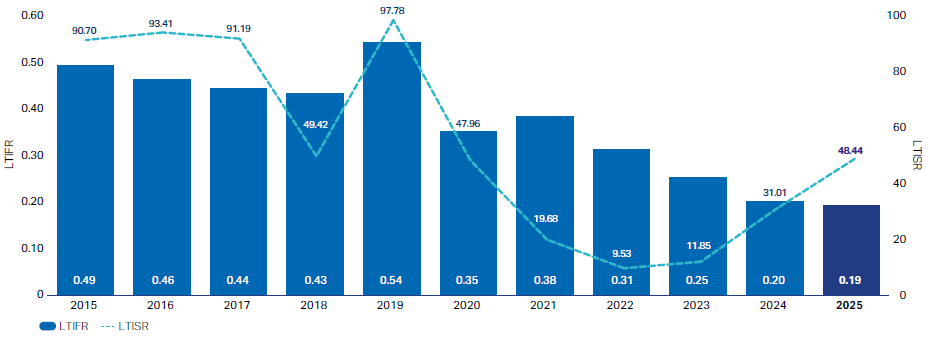
At Sappi, safety is a core value, and protecting our employees and contractors is paramount. We remain fully committed to creating a safe and caring workplace for all.

Sappi group – LTIFR and LTISR combined

Note: We calculate LTIFR by dividing the product of lost-time injuries and a group-wide standard for work hours by the unit’s work hours, ie LTIFR = LTI* 200,000/units actual work hours. LTISR is the lost-time injury severity rating and in a similar manner to the frequency rate, is calculated by dividing the product of the number of days lost to the injury and the group-wide standard hours by the unit’s man hours, ie LTISR = Number of days lost, x 200,000/actual man hours.

Case study

Promoting health and wellbeing at Sappi Southern Africa

At Sappi Southern Africa (SSA), people are at the heart of everything we do. We believe that a healthy, supported, and resilient workforce is the foundation of sustainable success for our business, our communities, and our future.

That belief has shaped our health, wellbeing and social care programme, a holistic initiative designed to promote physical, mental, and financial wellbeing across all our operations. The programme brings together three core pillars – occupational health, primary healthcare, and employee wellbeing – to ensure every employee has access to the care, support, and resources they need to thrive.

In 2025, we made strong progress. Our occupational health team rolled out an updated alcohol policy and new medical evaluation protocols across safety-sensitive roles, reinforcing our commitment to a safe and responsible workplace. Through close collaboration with medical aid schemes and the Department of Health, we strengthened access to chronic medication and diagnostic services, helping employees manage long-term health conditions more effectively.

At the same time, our employee wellbeing programme expanded its reach. Confidential counselling and advisory services now provide critical support for employees facing addiction, trauma, mental health challenges, or financial stress. Recognising that financial wellbeing is an essential part of overall health, we also introduced Summit Save; an initiative that helps employees build a culture of saving and plan for a more secure financial future.

Our care extends beyond the workplace. At Saiccor Mill, Sappi’s corporate social investment efforts funded significant upgrades to a local clinic – from new facilities and modern equipment to improved ventilation and patient comfort. This partnership, with Supernati and Supergroup Transport, ensures that quality healthcare is more accessible not only to employees but to surrounding communities as well.

The impact of these initiatives is already being felt; earlier detection of illness, greater access to care, and stronger morale across our teams. Employees are more engaged, more resilient, and better supported to bring their best selves to work every day.

But for us, wellbeing is not a destination – it is an ongoing journey. Behavioural transformation takes time, and we are committed to continuously learning, listening, and improving. By promoting a culture that values both personal and collective wellbeing, Sappi Southern Africa continues to nurture a workplace where people can grow, feel safe, and thrive – now and for generations to come.

Sappi talent

Financial materiality

Our talent strategy drives financial value through stronger productivity, innovation, and long-term performance. A diverse, equitable, and inclusive workplace attracts and retains top talent, strengthens decision-making through varied perspectives, and builds teams that are more agile and creative in responding to complex challenges. Investing in employee development and continuous learning improves individual capability and organisational competence, directly contributing to operational efficiency and innovation-driven growth. A strong culture of belonging and shared purpose enhances engagement and retention, reducing the significant costs associated with turnover, recruitment, and lost institutional knowledge. Moreover, a diverse and empowered workforce better understands and meets the needs of global customers, supporting market expansion and customer loyalty. Collectively, these outcomes translate into measurable financial value through improved performance, reduced costs, and sustained competitiveness – reinforcing talent as a strategic driver of Sappi’s long-term growth and profitability.

Impact materiality

Talent development drives both organisational success and individual fulfilment, making it a key area of impact materiality. A diverse and inclusive workplace where every person feels valued, respected and empowered to reach their full potential, strengthens collaboration, innovation, and overall performance. Inclusive environments boost engagement and belonging, leading to higher morale, stronger teamwork, and lower turnover. When employees are supported in developing their skills and advancing their careers, they bring greater creativity, commitment, and purpose to their work benefiting both the individual and the organisation. This culture of growth and inclusion enhances productivity, adaptability and wellbeing, creating a sustainable foundation for long-term business success and positive social impact.

How this issue links to other aspects of our business
Our global priority SDG
Our additional SSA priority SDG
Our strategic fundamentals
The global forces shaping our Thrive strategy
  • Deglobalisation, polarisation and increased geopolitical and trade tensions
  • Rising social inequality and growing social activism with increased expectations of business
  • Changing consumer and employee behaviour
  • Growing populations with increasing rates of urbanisation.
Our top 10 risks

4Sustainability expectations

10Employee and community relations

Our highlights

  • Sappi ranked 289th globally in Forbes World’s Best Employers 2025, and the fifth best employer in our home base, South Africa
  • Sappi ranked 144th globally in Forbes Top Companies for Women 2025, and second best in our home base South Africa
  • All global leadership programmes modernised and implemented with a fresh focus on supervisory and middle manager training. Updated training programmes equip supervisors and managers to improve relationships in their teams through building trust
  • Strong execution on our succession and retirement planning, with 58% internal appointments into promotional positions and 6% internal lateral moves. Only 36% of appointments were external
  • Comprehensive talent reviews implemented in all business units
  • Overall good shareholder support for our 2024 Remuneration Report
  • Inclusion of sustainability as a long-term measure in our remuneration incentives
  • Achieved our gender diversity target (the proportion of women in management roles) for FY2025.

How we create and preserve value

We create and preserve value through our people by building a diverse, skilled, and engaged workforce that drives innovation, operational excellence, and long-term business success. Guided by our global HR Beyond strategy, we focus on developing leadership and technical capability, enhancing employee engagement, and promoting respect, diversity, equity, and inclusion across all operations. Through continuous learning, we equip employees and contractors with the skills needed to adapt to changing technologies and market dynamics as evidenced by over 680,000 training hours completed in FY2025, 91% of which focused on skills development. Programmes such as Learn2Lead, LeadSmart, and LeadX ensure strong leadership pipelines, while our apprenticeships, internships, and co-op initiatives build technical capacity and future-ready talent.

By fostering an inclusive culture where people feel valued and empowered to reach their full potential, we strengthen collaboration, engagement, and retention which reduces recruitment costs and enhances productivity. Our recognition programmes, including the new technical excellence awards, further reinforce performance and innovation, motivating employees to contribute meaningfully to Sappi’s goals. Regular engagement surveys and platforms like SappiConnect ensure that every voice is heard, building trust and alignment across regions. Together, these initiatives not only enhance employee wellbeing and satisfaction but also translate into improved business performance, innovation, and resilience. In this way, we preserve value by investing in our people – the driving force behind our ability to thrive in a competitive and rapidly evolving global marketplace.

Case study

Advancing gender diversity – Sappi named among the world’s top companies for women

In 2025, Sappi was once again recognised among the World’s Top Companies for Women by Forbes and Statista, ranking number 144 globally and number 2 in South Africa. This marks the second consecutive year that Sappi has received this prestigious recognition; an achievement that underscores our ongoing commitment to gender diversity, inclusion, and equitable opportunity.

At Sappi, gender diversity is not just a metric, it is a strategic objective and one of our Thrive targets. We recognise the immense value that women’s perspectives and leadership bring, particularly within manufacturing operations that have historically been male dominated. By creating pathways for women to grow and lead, Sappi is helping to reshape the landscape of industrial work, fostering innovation, balance, and broader thinking in decision-making.

Labour relations

Financial materiality

Labour relations have a direct financial impact through the stability, efficiency, and continuity they bring to operations. By fostering constructive, trust-based relationships with employees, unions, and worker representatives, we reduce the risk of industrial action, work stoppages, and productivity losses, all of which can have significant financial and reputational costs. A stable, motivated workforce supports consistent production, quality delivery, and customer satisfaction, safeguarding revenue and investor confidence. Transparent engagement and early conflict resolution lower the administrative and legal costs associated with labour disputes, while strong, collaborative labour relations also enhance morale and retention, reducing turnover and training costs. Embedding mutual respect, open communication, and fairness into our labour relations approach, we secure both short-term efficiency and long-term financial resilience for Sappi and the communities in which we operate.

Impact materiality

Labour relations are materially significant for their role in fostering trust, collaboration, and organisational harmony. Open and transparent communication ensures that employees and their representatives understand and align with Sappi’s strategic direction, strengthening mutual respect and accountability. Constructive dialogue helps identify and resolve challenges early, reducing conflict and promoting a stable, cooperative workplace culture. This trust-based environment enhances engagement, morale, and productivity while minimising operational disruptions. Strong labour relations support social cohesion, reinforce our reputation as a fair and responsible employer, and contribute to long-term business sustainability and community wellbeing.

How this issue links to other aspects of our business
Our global priority SDGs
Our strategic fundamentals
The global forces shaping our Thrive strategy
  • Rising social inequality and growing social activism with increased expectations of business
  • Changing consumer and employee behaviour
  • Growing populations with increasing rates of urbanisation
  • Human rights and modern slavery.
Our top 10 risks

1Safety

2Cyclical macroeconomic factors

4Sustainability expectations

10Employee and community relations

Our highlight

  • Good labour relations in all regions.

How we create and preserve value

We create and preserve value through constructive, trust-based labour relations that underpin operational stability, employee engagement, and long-term business resilience. Guided by the principles of the UN Global Compact and the Universal Declaration of Human Rights, we are committed to fair, transparent, and inclusive engagement with employees and trade unions across all regions where we operate. By upholding freedom of association and maintaining open dialogue, we build mutual respect and resolve challenges collaboratively, helping to prevent disputes, minimise operational disruptions, and ensure consistent productivity. Approximately 60% of our global workforce is unionised, reflecting the depth of our commitment to representation and meaningful consultation.

Through clear communication during operational changes and adherence to local labour laws, we ensure that transitions are handled with fairness and dignity, reinforcing trust and stability. Our approach to labour relations also extends to protecting human rights across our operations and supply chain, ensuring that no incidents of forced, child, or compulsory labour occur. This consistent and principled engagement supports a motivated workforce, safeguards our reputation, and strengthens community and investor confidence. In doing so, we create shared value by sustaining a cohesive, productive work environment that enhances Sappi’s financial performance, operational continuity, and social impact.

Opportunities for value creation: Strengthening labour relations

Our commitment to workers’ rights and fostering constructive labour relations creates meaningful opportunities for value creation across Sappi. By cultivating a supportive and equitable workplace where employees feel valued, respected, and empowered, we enhance both engagement and organisational performance. Open communication, fair treatment, and access to professional growth opportunities are central to this approach – helping us attract and retain top talent while maintaining a stable, motivated workforce. Strong labour relationships not only improve productivity and trust but also reinforce Sappi’s reputation as an employer of choice, supporting long-term business success and resilience.

Social impact

Financial materiality

Social impact initiatives directly support Sappi’s long-term profitability, operational stability, and risk management. Investment in community development, education, and local enterprise, strengthens the socioeconomic foundations of the regions where we operate – reducing business disruptions, improving labour availability, and securing reliable supply chains. Strong community relationships enhance our social licence to operate, minimising delays, protests, or reputational risks that could result in financial loss. Importantly, visible social investment also improves stakeholder confidence and brand equity, which supports customer loyalty and investor appeal. These factors collectively contribute to improved business continuity, lower operational and compliance costs, and long-term value creation – demonstrating that strong financial performance and positive social impact are mutually reinforcing.

Impact materiality

What makes our social impact efforts materially significant is their ability to deliver long-term value to both the communities we serve and our business. By investing in education, skills development, and local enterprise, we help strengthen socioeconomic resilience and foster inclusive growth. These efforts build trust and partnership with the communities where we operate, enhancing our social licence to operate and reducing potential risks related to social unrest or inequality. Meaningful engagement grounded in respect and collaboration promotes shared prosperity, supports long-term sustainability, and reinforces Sappi’s role as a responsible corporate citizen contributing to a thriving society and a stable operating environment.

How this issue links to other aspects of our business
Our global priority SDGs
Our additional SSA priority SDGs
Our strategic fundamentals
The global forces shaping our Thrive strategy
  • Deglobalisation, polarisation and increased geopolitical and trade tensions
  • Rising social inequality and growing social activism with increased expectations of business
  • Changing consumer and employee behaviour
  • Growing populations with increasing rates of urbanisation.
Our top 10 risks

2Cyclical macroeconomic factors

4Sustainability expectations

6Climate change

10Employee and community relations

Our highlights

  • Exceeded our enterprise and supplier development (ESD) spend target in SSA creating 834 new jobs and sustaining 1,523 existing jobs
  • Focused on education and skills development in SSA through the provision of educational resources, school support, and training initiatives that strengthen learning outcomes and build future employability
  • Launched the ‘Caring for our community’ initiative in SEU
  • Focus on ‘Employee Ideas That Matter’ in SNA.

How we create and preserve value

We create and preserve value through our social impact by aligning community wellbeing with business sustainability, ensuring that as our communities thrive, so does Sappi. Recognising that our success is intertwined with the prosperity of the regions where we operate, we invest in initiatives that promote education, skills development, environmental stewardship, and enterprise growth. Guided by the 4Ps of our Sustainability Charter (Principles, Prosperity, People and Planet) we focus on projects that create shared value and support the United Nations Sustainable Development Goals.

Our efforts are rooted in meaningful engagement with local stakeholders, allowing community insights to shape programmes that deliver tangible outcomes. In South Africa, this includes the Sappi Khulisa tree-farming programme, which has generated billions in income for small growers, as well as skills centres and partnerships that create pathways to employment and entrepreneurship. Across Europe and North America, employee-led initiatives and community investments foster education, inclusion, and environmental awareness, while programmes like Sappi Employee Ideas That Matter and the Sappi Trails Programme strengthen social cohesion and local economies.

By supporting communities where our employees and their families live and work, we build trust, enhance our social licence to operate, and mitigate operational risks. These relationships create long-term value by fostering stable, resilient communities and reinforcing Sappi’s reputation as a purpose-driven business that contributes positively to society, the environment, and economic progress.

Case study

Indumiso AG Trading – a rural enterprise on the rise

Indumiso AG Trading, founded by Alpheus V. Zulu in Elandshoek, Mpumalanga, reflects the transformative potential of enterprise development in rural South Africa. From modest beginnings as an informal operation, this family-owned construction and prefabrication business has grown into a structured, high-impact enterprise, driven by a commitment to quality, community upliftment, and sustainable growth.

Before engaging with the Sappi’s enterprise and supplier development (ESD) programme, Indumiso AG Trading faced significant barriers: limited access to capital, formal training, and market opportunities. With targeted support, including mentorship, structured incubation, and infrastructure assistance, the business formalised its operations, secured dedicated office space, and expanded its service offering to include guardrail installation and culvert prefabrication. A newly established safety department now ensures compliance and operational excellence.

The company’s social impact is equally notable. Permanent staff has grown from just six in 2020 to 96 by 2025, with more than 26 additional opportunities created for temporary workers. By prioritising local employment, offering internships and holiday jobs to youth, and facilitating ongoing training, Indumiso AG Trading continues to build capacity within its community. Employees have earned industry-relevant certifications, strengthening both individual livelihoods and enterprise capability.

Indumiso AG Trading’s journey underscores the ESG commitment to inclusive economic participation, skills development, and resilient local enterprise – demonstrating that with the right support, small businesses can drive lasting change.

Planet


Sustainable forestry

Financial materiality

Sustainable forestry is key to Sappi’s long-term profitability, operational resilience, and market competitiveness. A reliable supply of responsibly sourced woodfibre, protects our business from the financial risks associated with deforestation, supply scarcity, and reputational damage. Sustainable forest management ensures resource continuity, supporting consistent production and cost efficiency. Certification and traceability practices strengthen customer confidence and access to premium, sustainability-conscious markets, driving revenue growth and brand differentiation. Supporting small growers and rural enterprises through inclusive forestry programmes builds resilient supply chains that distribute economic value and reduce dependency on high-risk sources. In this way, sustainable forestry underpins both the stability of our operations and the long-term financial value we deliver to shareholders, customers, and communities.

Impact materiality

Sustainable forestry is materially significant for its role in protecting environmental integrity, supporting social wellbeing, and ensuring long-term economic resilience. We manage our forests and tree plantations sustainably, guided by scientific knowledge of silvicultural best practices and robust forest certification standards with a strong focus on traceability. To address challenges related to forest health, resilience, and the changing climate, we invest in and maintain advanced tree improvement programmes in South Africa, working closely with the scientific community to drive continuous innovation. These efforts support climate change mitigation and adaptation, safeguard biodiversity, and enhance the delivery of essential ecosystem services such as clean water, carbon storage, and soil conservation. Sustainable forest management also supports economic and social resilience across the landscapes where we operate by creating jobs, empowering rural communities, and ensuring a dependable, renewable fibre base that underpins both ecological balance and long-term business sustainability.

How this issue links to other aspects of our business
Our global priority SDGs
Our strategic fundamentals
The global forces shaping our Thrive strategy
  • Climate change and climate transition
  • Resource scarcity and growing concern for natural capital
  • Move towards a circular economy
  • Growing populations with increasing rates of urbanisation
  • Persistent supply chain challenges.
Our top 10 risks

2Cyclical macroeconomic factors

4Sustainability expectations

5Evolving technologies and consumer preferences

6Climate change

8Uncertain and evolving regulatory and public landscape

Our highlights

  • Exceeded our performance against our global certified fibre targets of 75% achieving 78%
  • Maintained 100% forest chain of custody certifications in our manufacturing operations
  • Maintained 100% dual SFM certification against FSC™ and PEFC standards in our South African forestry operations
  • Attained a high level of self-sufficiency (62% in FY2025) in South Africa from our own tree plantations
  • Advanced small grower access to global certification systems in South Africa achieving an 89% year-on-year expansion of small grower hectares certified against the PEFC standard
  • Ensured that all Sappi’s mills in the EU will be in full EUDR compliance by December 2025, and EUDR-affected supply-chains in South Africa and North America are prepared to provide their customers with the necessary information upon request
  • Implemented a new wood supply strategy for the Kirkniemi Mill with a multi-supplier model and upgraded management systems, maintaining strong supply chain integrity and a high share of certified wood.

How we create and preserve value

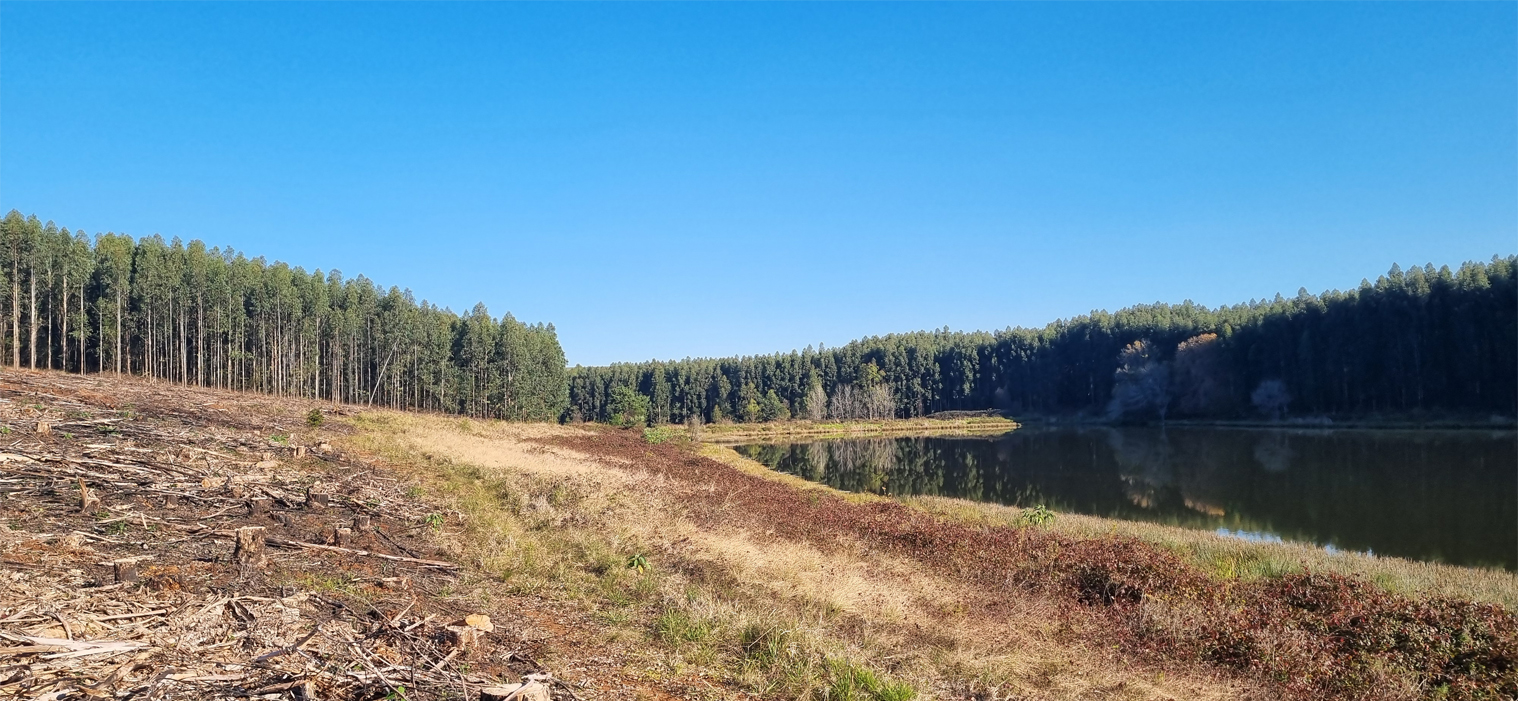
Sappi creates and preserves value through sustainable forestry by managing our woodfibre supply chains and tree plantations responsibly to ensure a secure, renewable, and traceable supply of woodfibre while safeguarding biodiversity and supporting climate resilience. Guided by internationally recognised certification systems such as FSC and PEFC (including SFI®), we promote credible forest management practices and full traceability throughout our supply chain, ensuring that our products are free from the risk of deforestation or forest degradation. Globally, 78% of all woodfibre supplied to our mills in FY2025 originated from certified forests, reinforcing supply chain integrity and customer confidence. In South Africa, where we manage over 405,000 hectares, including 140,000 hectares conserved for biodiversity, we also empower small and medium timber growers through group certification schemes, extending market access and inclusive economic participation. Our plantations in South Africa are dually certified under FSC and PEFC, reflecting our commitment to the highest international standards of forest management. Our investment in advanced tree improvement programmes, water-efficient breeding, and precision forestry technologies enhances forest productivity, optimises land use, and strengthens resilience to drought, pests, and climate change. Through these efforts, sustainable forestry not only secures the fibre critical to Sappi’s operations but also contributes to environmental stewardship, rural livelihoods, and long-term business stability; demonstrating that when forests thrive, so does Sappi.

Case study

A new wood procurement model for the Kirkniemi Mill

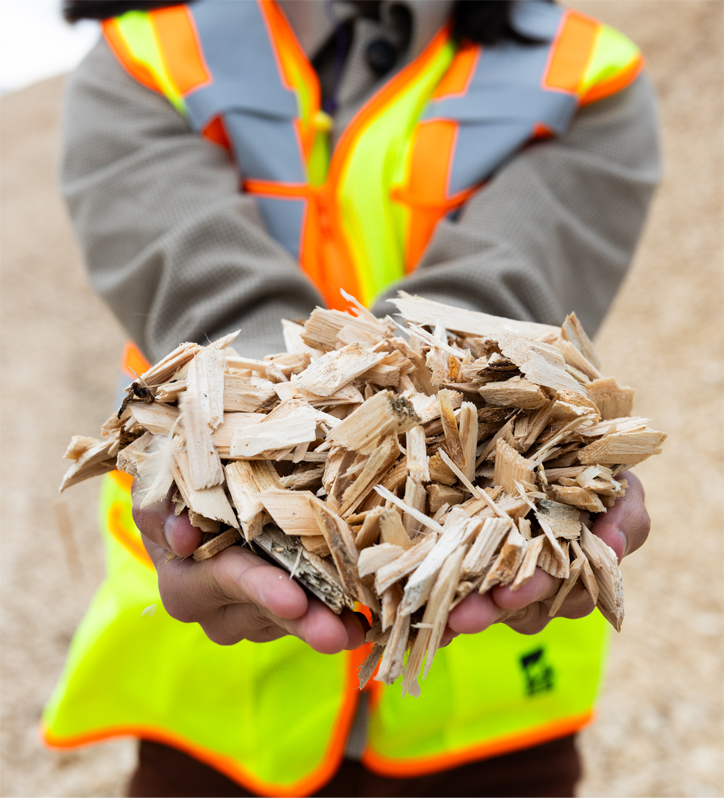
In 2025, Sappi’s Kirkniemi Mill transformed its wood supply operations by implementing a new procurement strategy and switching to a multi-supplier model to enhance reliability, traceability, and sustainability. A dedicated wood procurement organisation was established to manage the annual delivery of roughly half a million cubic metres of spruce pulpwood and chips: key raw materials for the mill’s premium paper products. Beyond supplying wood for paper production, the procurement organisation also provides biomass such as bark, sawdust, and wood chips to the mill’s multi-fuel boiler – integral to the success of Kirkniemi’s transition away from coal in 2023, with energy now fully derived from renewable, wood-based biofuels. The mill’s stringent wood quality requirements demand just-in-time deliveries, particularly during summer, when harvested spruce must be delivered within two weeks. Close coordination with around 20 contracted suppliers, including local forest management associations and sawmills, ensures both efficiency and quality.

Kirkniemi Mill maintains PEFC and FSC™ chain of custody certifications, with approximately 90% of its woodfibre certified. Most wood originates within 150 km of the mill, supporting local economies and reducing transport emissions. For longer distances, efficient round-trip transportation arrangements and rail are used.

All Kirkniemi Mill’s wood suppliers are requested to submit an annual comprehensive supplier self-declaration on the origin and compliance of wood. In the case of non-FSC™ CoC certified suppliers, Kirkniemi Mill carries out a two-stage audit and risk-assessment to ensure that the wood meets the controlled-wood requirements related to the origin and supply chain integrity. A new IT infrastructure and the implementation of Forest Hub, a digital wood-supply platform used in Finland, now provide full procurement transparency and European Union Deforestation Regulation (EUDR)-ready traceability. Together, these developments strengthen Kirkniemi Mill’s supply resilience and reinforce Sappi’s commitment to responsible, certified, and locally sourced renewable fibre.

“Local wood makes sense not only environmentally, but socially.”

– Jussi Joensuu,
Head of Wood Procurement, Sappi Kirkniemi Mill

Biodiversity

Financial materiality

Biodiversity has a direct financial impact on Sappi’s long-term performance and operational resilience. Healthy, functioning ecosystems sustain the renewable woodfibre resources on which our business depends, ensuring consistent supply and productivity across our forestry operations. Protecting biodiversity reduces exposure to risks such as forest degradation, pests, disease, and climate-related disruptions that could increase operating costs or threaten fibre security. Conserving ecosystems also helps mitigate potential regulatory, reputational, and community-related risks, all of which can affect market access and investor confidence. Integrating biodiversity into our strategic risk management approach strengthens the resilience of our value chain, supports continuity of operations, and enhances our long-term profitability; demonstrating that protecting nature is both a business imperative and a source of sustainable competitive advantage.

Impact materiality

Biodiversity is materially significant for sustaining life, livelihoods, and long-term resilience. Healthy ecosystems provide critical services, such as pollination, carbon sequestration, water purification, soil formation, and climate regulation, which directly support both environmental stability and economic activity. For Sappi, protecting biodiversity ensures the continued availability of renewable woodfibre and the resilience of the landscapes on which our operations depend. Conserving natural habitats and maintaining ecosystem integrity helps preserve the balance of ecological processes that sustain communities, agriculture, and industry. Safeguarding these natural systems is not only an environmental responsibility but also a socioeconomic necessity that strengthens our capacity to adapt to climate change, supports sustainable livelihoods, and contributes to a thriving, resilient planet.

How this issue links to other aspects of our business
Our global priority SDGs
Our strategic fundamentals
The global forces shaping our Thrive strategy
  • Move towards a circular economy
  • Resource scarcity and growing concern for natural capital
  • Climate change and climate transition.
Our top 10 risks

4Sustainability expectations

5Evolving technologies and consumer preferences

6Climate change

8Uncertain and evolving regulatory and public landscape

10Employee and community relations

Our highlights

  • Achieved a 25.3% biodiversity improvement within conservation areas within our South African forestry landholdings
  • On track for gazetting of our eighth nature reserve on Sappi Southern Africa forest land, the Karkloof Blue Butterfly Nature Reserve
  • Played an active role in updating the lake states forests with exceptional conservation value (FECV) assessment in North America
  • Continued to expand the Sappi rare, threatened and endangered species stewardship programme.

How we create and preserve value

Sappi creates and preserves value through biodiversity by recognising that healthy ecosystems are fundamental to the long-term success of our business and the wellbeing of the communities around us. As a company rooted in renewable resources, we actively promote ecosystem health through sustainable land management, adherence to internationally recognised certification systems such as FSC™ and PEFC, and the integration of biodiversity conservation into our operational practices. Specifically in our own forestry landscapes (comprising plantations, grasslands, wetlands, and natural forests) we proactively conserve habitats, protect threatened species, and maintain ecosystem services such as water purification, carbon sequestration, and soil regeneration. We currently have seven proclaimed nature reserves within our landholdings, with an eighth dedicated to protecting the endangered Karkloof Blue Butterfly on track for formal proclamation in 2026, underscoring our long-term commitment to conservation. Through conservation efforts in our important conservation areas (ICAs), rare, threatened and endangered species programme, and partnerships that promote research and habitat restoration, we strengthen the ecological resilience of the areas where we operate. These efforts not only safeguard natural capital but also enhance supply chain stability, mitigate environmental and regulatory risks, and reinforce our reputation as a responsible and trusted fibre producer. By embedding biodiversity stewardship across our value chain, we create shared value for nature, people, and our business ensuring that thriving ecosystems continue to underpin our sustainable growth and resilience.

Sappi’s long-term ambitions are aligned in principle with the Kunming-Montreal Global Biodiversity Framework, reflecting our commitment to implementing nature-positive actions that halt and reverse biodiversity loss. We aim to enhance ecosystem integrity across our operations by restoring habitats, protecting species, and promoting sustainable land use – ensuring our business contributes meaningfully to the global goal of living in harmony with nature by 2050.

Case study

Restoring the Charles River Ecosystem

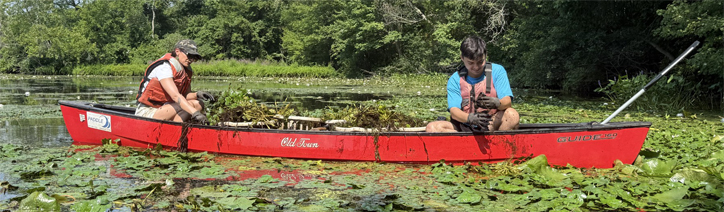
Once again, Sappi North America employees partnered with the Charles River Watershed Association (CRWA) for the annual Invasive Water Chestnut Harvest in Needham, Massachusetts; an initiative focused on protecting one of New England’s most vital waterways.

During the event, Sappi volunteers joined community members to remove 72 baskets of invasive European water chestnuts from the Charles River’s lakes district.

This species, if left unchecked, can form dense mats on the water’s surface that block sunlight, reduce oxygen levels, and disrupt the balance of native aquatic plants and wildlife. The invasive growth also limits recreational use of the river, diminishing its ecological and community value.

Through this collaborative, hands-on restoration effort, Sappi employees helped to significantly improve water quality and habitat conditions in just a few hours. The project exemplifies Sappi’s commitment to biodiversity conservation and community engagement – demonstrating how volunteer action can make a tangible difference in the health of local ecosystems.

Sappi’s smallest nature reserve: Protecting an icon of KwaZulu-Natal, the Karkloof Blue Butterfly

A small conservation area of about 24 ha, known as ‘The Start,’ located on Sappi land in the Karkloof region of KwaZulu-Natal, is home to the iconic and endangered Karkloof Blue Butterfly (Orachrysops ariadne) – a species found in only four locations worldwide. In addition to hosting this rare butterfly, the site comprises Midlands Mistbelt Grassland, an endangered vegetation type, and plays a critical role in conserving threatened biodiversity, including endemic animal species.

The Karkloof Blue has a highly specialised lifecycle. It lays its eggs exclusively on a unique variety of the Indigo genus (Indigofera woodii var. laxa). Once hatched, the larvae feed on the host plant before descending into the nest of the Natal sugar ant (Camponotus natalensis), where they likely continue to develop with the help of ants. Although the exact details of the larval and pupal stages remain unclear, it is believed that the butterfly shares a mutually beneficial relationship with the ants. Adult butterflies emerge between March and April, feeding and reproducing on nectar from just eight identified plant species.

The site has been under strict ecological management to improve habitat conditions for the butterfly, taking into account the needs of the host plant, the Natal sugar ant, and the nectar-producing flora. Monitoring and surveillance of both eggs and adult butterflies have been conducted in collaboration with Dr Adrian Armstrong, entomologist from Ezemvelo KZN Wildlife. Despite the complexity of the species’ requirements, the site continues to improve in ecological condition, and the butterfly population appears stable.

In 2023, Sappi Forests initiated the formal process to declare The Start as a protected nature reserve. Over several months, this included the publication of the intention to declare, a public participation process with input from key stakeholders such as Ezemvelo KZN Wildlife, the approval of the proclamation diagram by the Surveyor General’s Office, and the formal appointment of Sappi as the management authority.

We are pleased to report that the site is on track to become Sappi’s eighth and smallest nature reserve, which will be known as the Karkloof Blue Butterfly Nature Reserve. While the declaration is imminent, we await the formal gazetting of this important conservation milestone.

Climate change

Financial materiality

We recognise that climate change is financially material to our operations and our value chains. The effects of climate change, including extreme weather events and shifting climatic conditions, can significantly impact the health of the forests that provide our raw materials, affecting our supply chain and increasing operational costs as we adapt to these changes. Additionally, as stakeholders increasingly demand sustainable practices, our ability to maintain market access and uphold our brand reputation relies on our commitment to environmental stewardship. Evolving regulatory frameworks aimed at combatting climate change will likely impose new compliance costs and operational requirements. The transition towards a low-carbon future necessitates the availability of advanced technology, renewable energy sources and significant investment. Both physical and transitional climate risks must be continuously assessed and managed. Proactive climate action is essential to safeguard long-term financial stability, resilience, and value delivery across our business and communities.

Impact materiality

The impact materiality of climate change lies in its far-reaching effects on ecosystems, economies, and societies. Climate change poses both environmental and social risks that directly influence Sappi’s operating context. Human-induced climate change shifts are intensifying weather and climate extremes worldwide. This has led to widespread adverse impacts and related losses and damage to nature and people – especially in vulnerable communities least responsible for current emissions. Failing to act decisively on climate change could have serious consequences; from the degradation of vital ecosystems and loss of biodiversity to more frequent and intense weather events. These changes threaten not only the health of the planet but also the livelihoods of communities that rely on natural resources. Inaction risks ecosystem degradation, biodiversity loss, and more frequent climate-related disruptions, threatening both planetary health and the livelihoods of those dependent on natural resources. It also deepens resource scarcity, widening social inequality, and increasing health challenges for vulnerable populations. In response, Sappi is working to reduce its reliance on fossil fuels and lower the emission intensity of its products. By actively contributing to climate mitigation, we aim to lessen the strain on ecosystems, water resources, biodiversity, and human health.

How this issue links to other aspects of our business
Our global priority SDGs
Our strategic fundamentals
The global forces shaping our Thrive strategy
  • Climate change and climate transition
  • Move towards a circular economy
  • Resource scarcity and growing concern for natural capital
  • Changing consumer and employee behaviour
  • Rising social inequality and growing social activism with increased expectations of business.
Our top 10 risks

4Sustainability expectations

5Evolving technologies and consumer preferences

6Climate change

7Liquidity

8Uncertain and evolving regulatory and public landscape

9Supply chain disruption

10Employee and community relations

Our highlights

  • Specific Scope 1 and 2 emissions decreased year-on-year across all three regions. At a group level we reduced our emission intensity by 15% from the 2019 baseline
  • Achieved our percentage of renewable and clean energy targets across all three regions. At a group level we increased renewable and clean energy by 11 percentage points from the 2019 baseline.

How we create and preserve value

Sappi creates and preserves value through climate action by embedding decarbonisation and resilience into the core of our strategy and operations. Guided by our well-below-two-degree-based targets validated by the Science Based Targets initiative (SBTi), we are committed to reducing Scope 1 and 2 GHG emissions by 41.5% per ton of product by 2030, supported by a comprehensive transition plan requiring US$60 million to US$70 million in annual investment. By factoring carbon impacts into capital allocation through an internal carbon price and using scenario modelling to assess both physical and transition risks, we ensure that climate considerations inform long-term financial and operational decisions. Across all regions, we are advancing energy efficiency, switching to renewable fuels, and investing in clean technologies – achieving a 34% absolute reduction in Scope 1 and 2 emissions since 2019. In South Africa, our approach to decarbonisation is coupled with a focus on a just energy transition, ensuring that climate progress supports social equity and community resilience. These actions not only reduce exposure to climate-related risks and regulatory costs but also strengthen competitiveness, enhance brand value, and position Sappi to capture opportunities in the growing low-carbon bioeconomy. Through decisive climate action and transparent reporting, we are safeguarding our business, delivering value to stakeholders, and contributing to a sustainable future.

Specific GHG emissions (Scope 1 and 2) (kg CO2e/adt)

* Restatement of data for 2021 to 2024 (SSA and SNA) and 2024 (SEU) due to improved data quality. Regional updates have consequently impacted group totals.

Direct emissions (Scope 1) (kg CO2e/adt)

* Restatement of data for 2021 to 2024 (SNA) and 2024 (SSA and SEU) due to improved data quality. Regional updates have consequently impacted group totals.

Indirect emissions (Scope 2) (kg CO2e/adt)

* Restatement of 2021 to 2024 (SSA), 2024 (SEU), and 2023 to 2024 (SNA) data due to improved data quality for SNA, SSA, and Global. Regional updates have consequently impacted group totals.

Direct emissions (Scope 1)

Group-wide performance for Scope 1 direct emissions was stable. This was the net result of stable performance in both the North American and South African regions, combined with a slight decrease in the European region.

The slight decrease in Europe was driven by the full-year effect of the Lanaken and Stockstadt Mills closures, reduced natural gas combustion at Ehingen Mill following a boiler repair, and increased use of biomass and process gases at the Gratkorn and Alfeld Mills. These improvements were partially offset by higher fossil fuel consumption at the Kirkniemi and Maastricht Mills, which was required to support improved occupation rates.

Indirect emissions (Scope 2)

Group-wide, there was a decrease in Scope 2 indirect emissions, with all regions contributing to this positive result.

The European region also contributed to the reduction, primarily due to the closure of the Lanaken and Stockstadt Mills and the procurement of Guarantees of Origin (GoO) at the Alfeld and Ehingen Mills, which more than compensated for an increase in purchased power at the Maastricht Mill.

In North America, the decrease was achieved through the purchase of renewable energy certificates (RECs) to offset emissions at the Cloquet, Somerset and Westbrook Mills.

The decrease in South Africa was driven by improved operational stability and efficiency at the Ngodwana, Saiccor and Tugela Mills, which increased onsite power generation and consequently reduced electricity imports. This improvement was further supported by a more favourable CO2 emissions factor from the national utility.

Case study

Celebrating 100 years of clean energy – hydropower at Sappi Gratkorn Millm

In June 2025, the Sappi Gratkorn Mill celebrated 100 years of clean energy generated by its onsite hydropower plant which was commissioned in 1925, long before sustainability became a global priority.

Built in response to post-World War I shifts and the need for reliable, self-sufficient power, the plant replaced ageing turbines and secured energy independence for the mill. Its inauguration was attended by Viktor Kaplan, inventor of the Kaplan turbine, with two units installed at 2.57 MW each; among the most powerful of their kind at the time.

Today, the plant generates around 40,000 MWh of renewable electricity annually (enough to power around 10,000 households) and continues to supply 5% to 7% of the mill’s energy needs while avoiding approximately 20,000 tons of fossil CO₂ emissions every year. Over the decades, it has undergone major refurbishments and several modernisations to improve efficiency and environmental performance, including upgrades such as water-based lubrication and enhanced corrosion protection.

This centennial marks more than a historical achievement – it reflects Sappi’s longstanding commitment to responsible investment, clean energy innovation, and the enduring value of legacy infrastructure in shaping a sustainable future.

Water stewardship

Financial materiality

Water is not only essential to life but also a key financial driver of Sappi’s long-term stability and growth. Reliable access to clean water underpins every stage of our value chain – from tree growth to pulp and paper production and energy generation in our mills. Climate variability, water scarcity, or deteriorating water quality could disrupt production, increase treatment and compliance costs, and affect profitability. To mitigate these risks, we embed water stewardship into our operational and capital expenditure planning, guided by comprehensive environmental permits and annual reviews. By investing in efficient water-use technologies, recycling systems, and sustainable catchment management, we reduce dependence on external water sources, lower operational costs, and enhance business continuity. Responsible water management also strengthens our licence to operate, protecting against regulatory and reputational risks while ensuring the resilience needed to sustain financial performance and long-term value creation.

Impact materiality

Water stewardship is materially significant for its role in sustaining ecosystems, communities, and industrial activity. With roughly half of the world’s population already experiencing severe water scarcity for at least part of the year, and climate change further intensifying droughts, floods, and rainfall variability, responsible water management has become a global imperative. Poor water management or inadequate treatment of industrial effluent can harm aquatic ecosystems, affect downstream water users, and increase regulatory and reputational risks. Recognising this, Sappi treats water stewardship as a material sustainability priority. These water-related risks threaten not only environmental and social wellbeing but also economic resilience and supply chain stability. Recognising water as a finite and essential resource, Sappi is committed to conserving and optimising its use across all operations. We continuously enhance the efficiency of our pulp and paper-making processes through extensive water recirculation and rigorous treatment to improve the quality of discharged water. By safeguarding water resources, we help maintain ecosystem balance, support community health, and contribute to broader climate adaptation – ensuring that both people and the planet can thrive alongside our business.
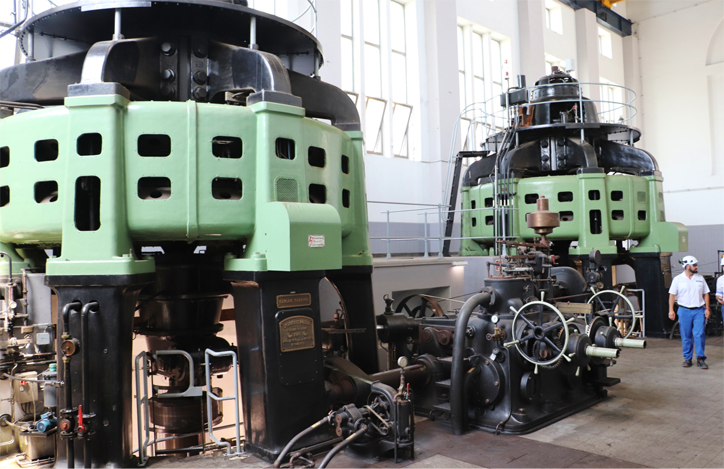
How this issue links to other aspects of our business
Our global priority SDGs
Our strategic fundamentals
The global forces shaping our Thrive strategy
  • Climate change and climate transition
  • Resource scarcity and growing concern for natural capital
  • Changing consumer and employee behaviour
  • Rising social inequality and growing social activism with increased expectations of business.
Our top 10 risks

4Sustainability expectations

5Evolving technologies and consumer preferences

6Climate change

8Uncertain and evolving regulatory and public landscape

10Employee and community relations

Our highlight

  • Total water withdrawal decreased by 1% year-on-year in FY2025 and by 7% over the last five years
  • Absolute process water decreased by 8.8% over the last five years
  • Sappi Verve joined the Zero Discharge of Hazardous Chemicals Foundation in a pre-competitive initiative to set best practice air and wastewater emissions standards for the dissolving wood pulp industry
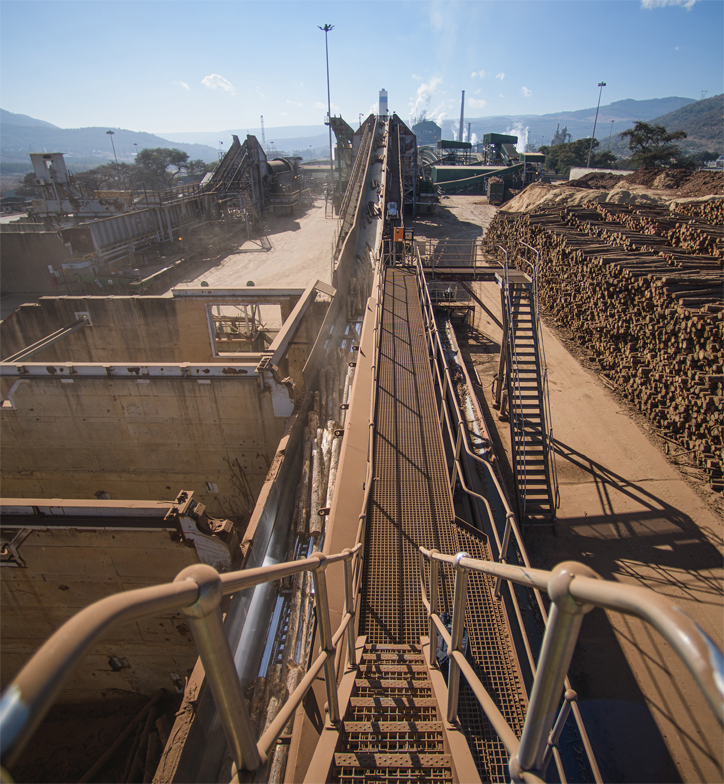
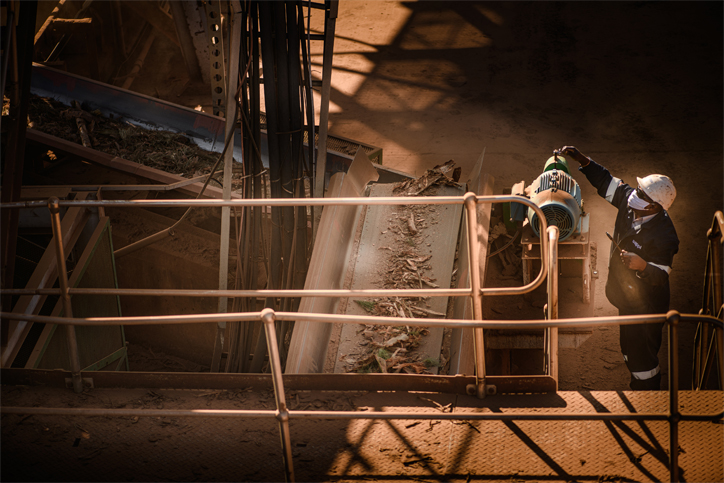
  • Continued to progress our nature-positive efforts through our WWF Water Stewardship partnership and began discussions with brand owners in the fashion sector interested in investing in this initiative.

How we create and preserve value

Sappi creates and preserves value through responsible water stewardship that safeguards ecosystems, strengthens operational resilience, and supports long-term business continuity. Guided by our Group Water Stewardship Policy, we integrate sustainable water management into every level of our operations. Water is essential to our processes, yet we recognise its finite nature and the growing global risks of scarcity, drought, and flooding. By recycling and reusing water up to 10 times within our mills and returning 91.5% of our intake to its original sources in FY2025, we ensure that our operations remain both efficient and environmentally responsible. Effluent treatment systems allow us to meet or exceed regulatory standards while generating renewable fuel from recovered sludge, further enhancing circularity. Regionally tailored water-saving projects underscore our commitment to continuous improvement. Beyond our operations, partnerships, such as our collaboration with WWF – South Africa in the uMkhomazi catchment, demonstrate how we extend impact at a landscape level, restoring ecosystems, improving water flow, and supporting local livelihoods. Through these integrated actions, we create shared environmental, social, and financial value by ensuring that the water we depend on remains clean, available, and responsibly managed for future generations.

Case study

Wetland restoration as a value-creation lever for ecosystem health and local resilience

Wetlands play important ecological and social roles in our landscape. They provide critical ecosystem services upon which our business is built. They protect and regulate water: acting like sponges, holding back water during floods and releasing it during dry periods. By regulating water flows during floods, wetlands reduce flood damage and help prevent soil erosion.

  • Wetlands recharge ground water sources and remove pollutants from the water. Being natural filters, they help to purify water by trapping these pollutants, which include sediment, and heavy metals
  • Support a diverse array of plant and animal life, including endemic and threatened species such as the long-toed tree frog and the grey crowned crane.

Historically, the absence of robust regulations led to widespread planting near water sources across the forestry sector. Over the past three decades, Sappi has actively addressed this legacy through a rigorous and proactive river and wetland mapping programme, driving meaningful restoration and compliance. Sappi has mapped hundreds of hectares of wetlands that had previously been planted and rightfully restored them to wetlands.

The most recent area that was restored to wetland from plantation was an old pine compartment in Hodgsons, near Greytown, KwaZulu-Natal, parts of which had been standing for approximately 20 years. Sappi foresters spotted signs of wetness in the compartment and aided by the Sappi Forests Environmental Department, delineated the wetland. By the end of the delineation, over 20 hectares of plantation was converted back to wetland in order to ensure compliance with the National Water Act which requires that commercial plantations are not planted close to rivers and wetlands.

Rehabilitation is well underway at Hodgsons. Following delineation of the wetland, extensive rehabilitation work has started, including moving of roads, removal of harvesting debris and the removal of invasive alien plants. Removal of invasive alien plants in that wetland system is critical as it improves biodiversity, improves water quality and quantity, and creates employment for the local economy. In 2025, removal of invasive alien plants at the delineated wetland system has already generated 176 person-days of employment.

Resource efficiency and minimising waste

Financial materiality

Improving resource efficiency and reducing waste directly enhance Sappi’s financial performance by lowering costs, improving productivity, and unlocking new value streams. By adopting a circular, resource-efficient production model, we extend the life of raw materials and minimise waste generation. This approach significantly cuts disposal and material input costs while increasing operational efficiency and profitability. Moreover, valorising waste byproducts, such as converting process residues into renewable fuels or secondary raw materials, creates additional revenue opportunities and strengthens business resilience. In an environment of rising input costs and supply chain volatility, resource efficiency provides a tangible competitive advantage, supporting both cost stability and long-term financial sustainability while reinforcing our environmental commitments.

Impact materiality

Resource efficiency and waste reduction are materially significant for conserving natural resources, easing environmental pressure, and supporting long-term sustainability. By minimising waste and promoting the sustainable use of resources through smarter production processes and innovative waste reduction strategies we lower emissions and ease pressure on ecosystems, helping to address global challenges such as climate change and biodiversity loss. Furthermore, when waste is transformed through beneficiation, it generates shared value, thereby creating new economic opportunities, supporting local livelihoods, and fostering inclusive job creation. Beneficiating waste creates shared value – unlocking economic opportunities, supporting local livelihoods, and enabling inclusive job creation. This approach benefits both people and the planet, advancing sustainable development that strengthens environmental health, community resilience, and overall social wellbeing.

How this issue links to other aspects of our business
Our global priority SDGs
Our strategic fundamentals
The global forces shaping our Thrive strategy
  • Move towards a circular economy
  • Climate change and climate transition
  • Resource scarcity and growing concern for natural capital
  • Changing consumer and employee behaviour
  • Persistent supply chain challenges.
Our top 10 risks

4Sustainability expectations

5Evolving technologies and consumer preferences

6Climate change

8Uncertain and evolving regulatory and public landscape

10Employee and community relations

Our highlights

  • Globally we substantially exceeded our 2025 waste to landfill reduction target
  • Sappi Matane Mill turned a looming US$62,500-per-month landfill tax into a sustainability success, cutting waste by over 15% through smarter dewatering, tighter process controls, and innovative bioaugmentation trials that transformed waste into worth
  • By reusing 90% of its 12-inch core plugs through a closed-loop return system, Sappi’s Somerset Mill saved over US$60,000 in the first year – turning a once-discarded packaging component into a model of circular efficiency. This simple yet impactful initiative demonstrates how small operational changes can drive measurable value and reinforce Sappi’s commitment to sustainable manufacturing.

How we create and preserve value

Sappi creates and preserves value through a strong commitment to resource efficiency, circular production, and waste beneficiation by transforming operational byproducts into economic, environmental, and social opportunities. By embedding circular economy principles across our value chain, we minimise waste generation, extend material lifecycles, and maximise the use of renewable woodfibre resources. Our approach ensures that residual materials such as wood fines, fly ash, and sludge are repurposed into valuable inputs for energy, agriculture, or construction which reduces landfill volumes, disposal costs, and generates new revenue streams. Through targeted innovation, such as closed-loop recycling systems and process optimisation at our mills, we enhance operational efficiency and reduce raw material usage. Programmes like Sappi ReFibre in South Africa exemplify how resource recovery drives both environmental and economic gains by diverting post-consumer paper from landfill, lowering greenhouse gas emissions, and strengthening local recycling networks. At the same time, our partnerships with industries and communities foster job creation and inclusive growth through waste valorisation and local enterprise development.

This integrated approach not only reduces our environmental footprint but also reinforces our financial resilience and competitive advantage, positioning Sappi as a leader in sustainable manufacturing. By turning waste into worth, we build a value chain that benefits people, the planet, and our long-term business performance whilst sustaining profitability and contributing to a low-carbon, circular economy.

Case study

Closing the loop: waste reduction powering renewable energy and efficiency gains

Sappi’s global vision of a circular economy – where every part of the tree is used to its fullest potential – continues to drive innovation at Ngodwana Mill. This ambition came to life through the recent biomass combustion enhancement project, a smart engineering solution that turned a longstanding waste challenge into a renewable-energy success story.

The issue emerged after the commissioning of the biomass power boiler, when the mill lost complete access to its biomass feed conveyor system. This created a bottleneck: sawdust from woodyard operations – an energy-rich byproduct – could no longer be reliably delivered to the boiler. Consequently, more than 30,000 wet tons of biomass were being sent to landfill each year, representing both an environmental burden and a lost-energy opportunity.

In response, the project team engineered a direct-feed pneumatic system to deliver sawdust from the woodyard directly to the power boiler, bypassing the shared conveyor entirely. Leveraging existing infrastructure, the solution included a refurbished blower system, a revived control network, and new piping to complete the link. With a modest capital investment of approximately R2 million, the results have been transformative.

Since commissioning, the mill has reduced sawdust landfilling by more than 80%, while generating over 11,700 GJ of renewable energy each month. This sawdust now displaces an estimated 517 tons of coal per month – avoiding approximately 50 t CO₂e in emissions and saving more than R500,000 per month in combined fuel and disposal costs. The project is on track to achieve payback in under four months; proof that sustainable solutions can deliver strong financial returns.

Operationally, the benefits go further. The increased biomass firing rate has enhanced combustion stability and improved the performance of the flue gas desulphurisation (FGD) plant. This has led to lower limestone consumption and a reduced carbon footprint from the boiler system – advancing both energy efficiency and environmental performance.

The initiative supports several United Nations Sustainable Development Goals:

  • SDG 7 – Affordable and clean energy: through expanded use of renewables
  • SDG 12 – Responsible consumption and production: by maximising resource efficiency
  • SDG 13 – Climate action: through measurable reductions in greenhouse gas emissions.

Crucially, this project exemplifies Sappi’s longstanding commitment to using 100% of the tree. What was once a waste stream is now a reliable source of clean energy, driving decarbonisation and reducing landfill volumes. It aligns directly with our science-based targets and long-term ambition to substitute fossil fuels with renewable alternatives wherever technically viable.

The beauty of this project lies in its simplicity. We didn’t build something new – we reimagined what we already had and gave it new purpose. It is innovation through resourcefulness. The biomass combustion enhancement project demonstrates how practical engineering, guided by a clear sustainability vision, can unlock real value.